July, 2026 Author Update
Whispers Across the Prairie
I loved writing Whispers Across the Prairie, and I hope you'll enjoy reading—or listening to—Charlie and Emeline's story. It's available in paperback, hardcover, ebook, and audiobook wherever books are sold.
If you've already read the book, would you consider leaving a review? Even a simple star rating helps other readers discover it. Thank you so much for your support!
Connection
I’ve been writing (and rewriting) this next chapter for Charlie. What will become of him in the next four years and the Kansas School for the Deaf? More importantly, who will he become?
Thanks to conversations with Molly Rothwell and David Wilcox, along with several historical resources, I'm learning what life at the Kansas School for the Deaf was really like between 1888 and 1892.
Charlie's journey may be unique, but his hopes, fears, friendships, and growing confidence are something every child can understand.
How Do Deaf Children Learn to Read?
One of the first things I discovered…
New Garden Additions
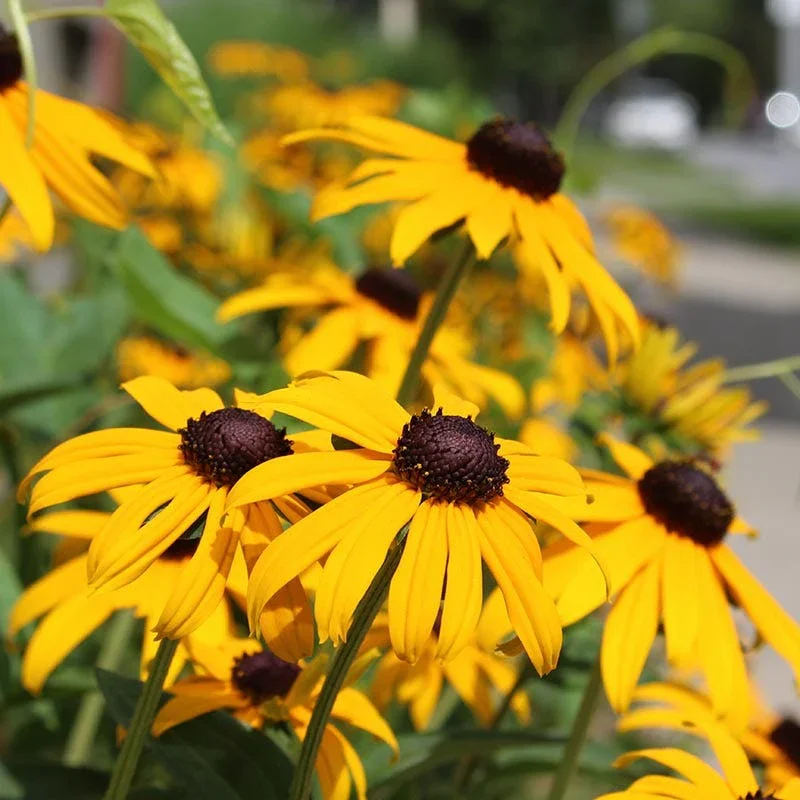
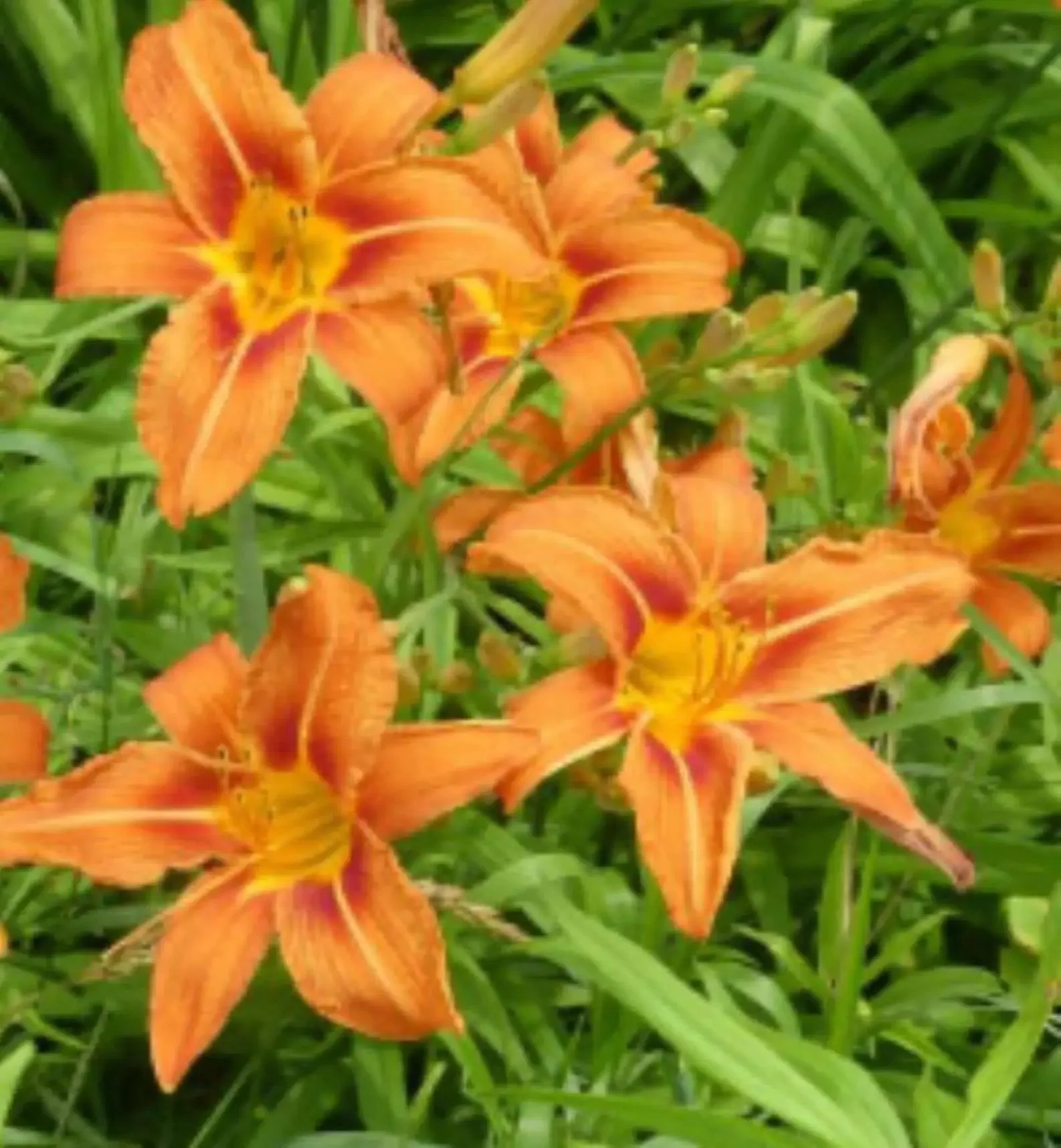
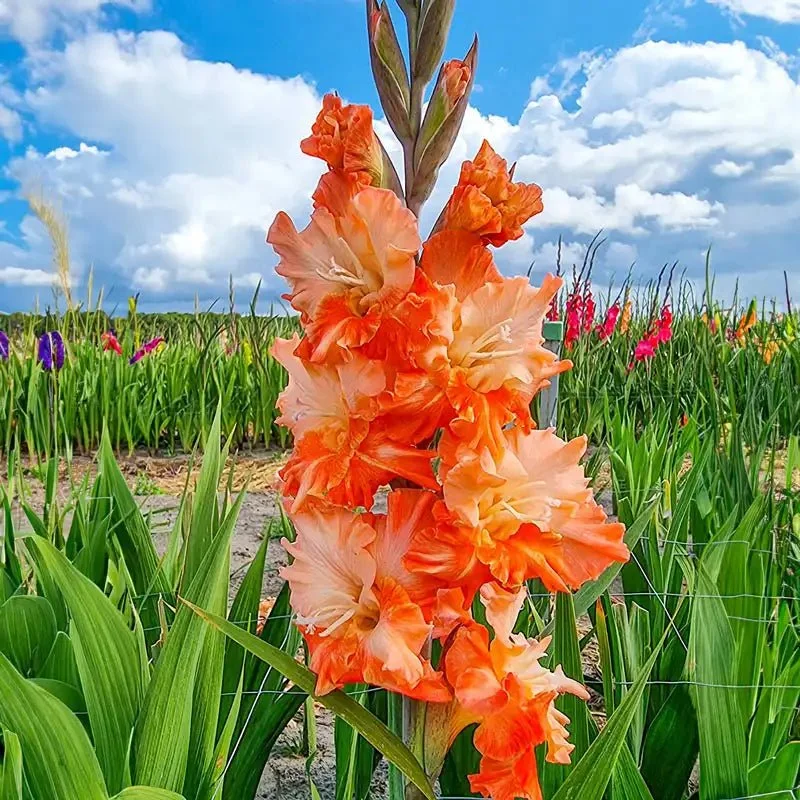
This front garden is putting on quite a show right now. The Black-eyed Susans, orange daylilies, and Zagreb coreopsis are all blooming, while two patio pots hold a white coneflower and a mix of Cheyenne Spirit coneflowers surrounding coral gladiolus that should bloom soon.
This fall I'm planning to plant clusters of crocus and Golden Paradise tulips along the sidewalk. I prefer a natural look rather than perfectly spaced rows. I can't wait for those first little signs of spring next year.







Chickadee Cheer July Giveaway Winner
Congratulations to mum…@yahoo.com on winning the giveaway this month. Please respond to the email I’ll send. You’ll select a softcover book of your choice from my shop.
Creature Feature: The Rhinoceros
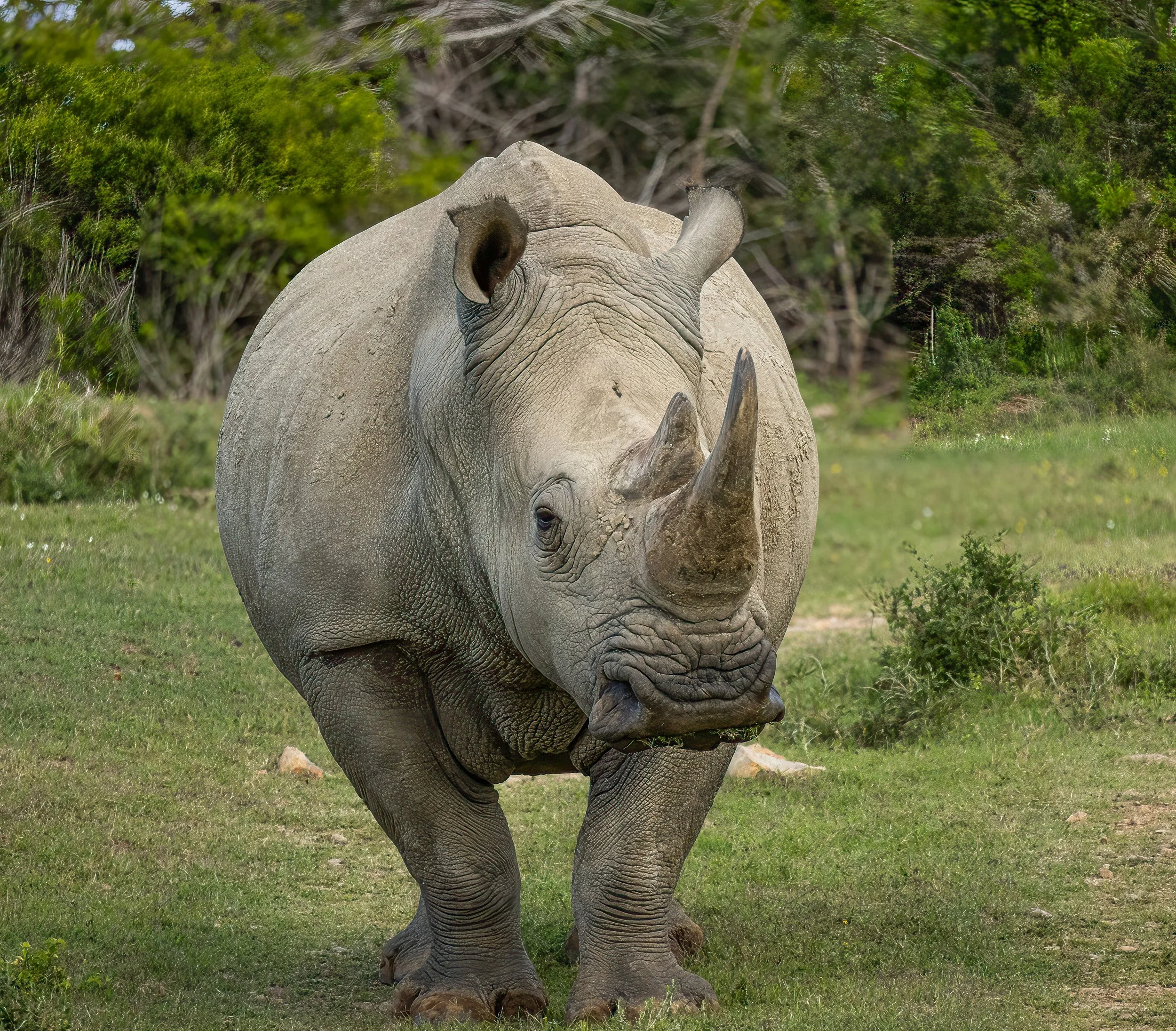
Image by Unsplash - A White Rhino (Africa)
-
There are 5 species of rhinoceros today:
Black Rhino, White Rhino (Africa)
Indian Rhino (India)
Sumatran Rhino, Javan Rhino (Malaysia)
Interestingly, they all surround the Indian Ocean. Look at a map… They all descended from one animal originally.
-
The Indian and Java Rhinos have only one horn, while the other three have two.
The horn is really just hair and tightly woven keratin. Not bone. Not ivory.
The longest horn length recorded is from the White Rhino. The front horn measured 59 inches. Wow! That’s almost 5 feet long.
They use their horns to defend their territory, forage for food, and defend & guide their calves.
They love to roll in the mud and use their horns to dig for water, if necessary.
The rhinoceros is the 2nd largest land mammal on earth. Only the elephant is larger.
They have 3 toes and can run on those toes at up to 35 miles per hour. They don’t want you in their territory.
A bunch of rhinos is called a CRASH. Probably a good name for that.
-
Vision: They have terrible eyesight. If you stay still, they might not see you if you were only 10 feet away. But they might smell you.
Smell: It’s a good thing they have a very strong sense of smell. They can smell predators and each other. Each animal has a unique smell to their poo. They can tell if the poo came from another rhino and can even tell how old they are, if they’re male or female, and whose territory they’re from. And, of course, they can smell grassy food.
Hearing: Those ears set way back on their head act like funnels and can move in all directions. They hear very well. They can even hear lower sounds we can’t.
They are very vocal. Males growl and snort. Sumatran males are known for “songs” the make to attract a mate. Babies squeal for moms. They can make trumpet calls. They might sneeze or scream if scared. Or, “mmwonk” if they’re relaxed.
Creature Feature is a new addition to my Author Update each month and is inspired by the books by Reasons for Hope. The Rhinoceros is from the book called A Pocket Guide to the Zoo: Fascinating Facts, Volume 1: Africa. If you’re interested in learning more about God’s design in animals, please check them out. (Next month: the Zebra!)