Erin Dionne
Professor, Author, Editor
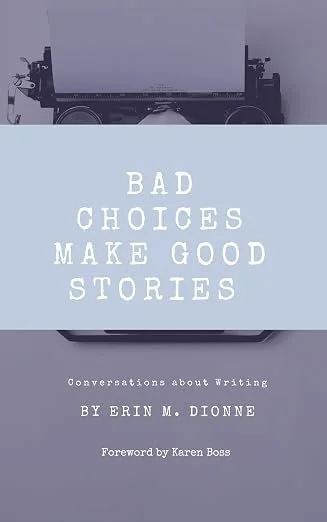
Erin and I discussed what makes a memorable story and why reading is especially important today. Meet my editor (not AI), a real person!
A storyteller at heart, she finds the most joy from writing stories and helping others with theirs. She believes that writing for children is the best job in the world—and so do I.
Enjoy our video below and visit her website to learn more or get help from her with your own writing.
-
A relatable character—even more than plot.
Plot is important, but I think it’s best when the character drives it through the decisions he makes and the consequences that come from them.
-
I care most for a relatable character.
And, the more I know about him, the more I care.
-
Empathy is learned. Books help readers put themselves in the shoes of others—and be more empathetic.
Also, sometimes, a child might be going through something he can relate to in the story and give him words to use to describe his feelings.
And, reading exercises critical thinking skills. That’s incredibly important today with the advent of AI and Chatgpt. We need to be able to use OUR OWN brains to figure things out.
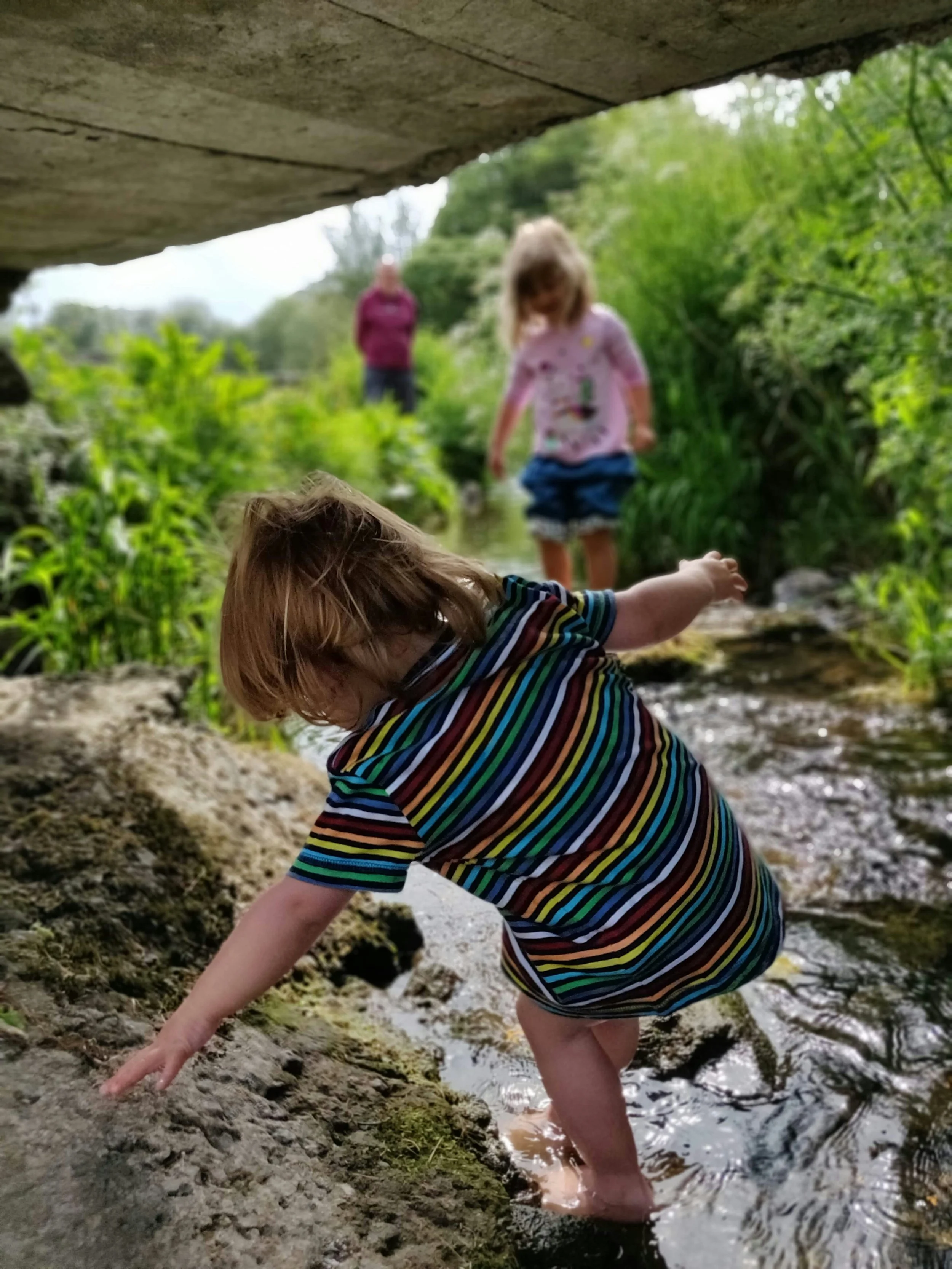
A Moment of Wonder
Not every lesson needs a classroom. Sometimes it begins with noticing.
What the Creek Carries
After a hard rain, the creek sounds different.
Water rushes faster than it did the day before, lifting leaves, twigs, and bits of soil from the banks. What was once clear turns cloudy for a while, moving with purpose toward somewhere else.
The creek is changing its shape.
Flowing water is never still for long. As it moves, it presses gently but constantly against the land. Pebbles shift. Sand slides. Curves deepen. Over time, water carves paths where none existed before.
This is how valleys form—not through force, but through persistence.
People have always paid attention to this movement.
They built homes where water passed reliably but not dangerously. They learned which banks would hold and which would give way. They followed streams to find fertile ground, knowing that water carries nourishment wherever it goes.
What the creek takes, it also gives.
Even when the current looks calm, it is still shaping what lies beneath it. Change doesn’t always announce itself. Sometimes it works quietly, day after day, until the land remembers a new way to be.
The creek reminds us that motion matters.
And that steady movement—guided by time—can shape entire worlds.
A Moment to Reflect
June invites us to notice how small, repeated actions create lasting change. Water doesn’t rush to remake the land; it stays faithful to its course. Paying attention to this kind of persistence helps us see that growth often comes from showing up again and again, even when the progress is hard to measure.
Writers understand this kind of persistence well. Books are rarely written in dramatic bursts; they grow through small, steady efforts over time.