September, 2026 Author Update
Progress Report: Connection
While gardening and doing other things, the wheels have been turning for this story—and the next one. Sometimes it helps to take a break. But by the end of October, I’m hoping to finish my first draft.
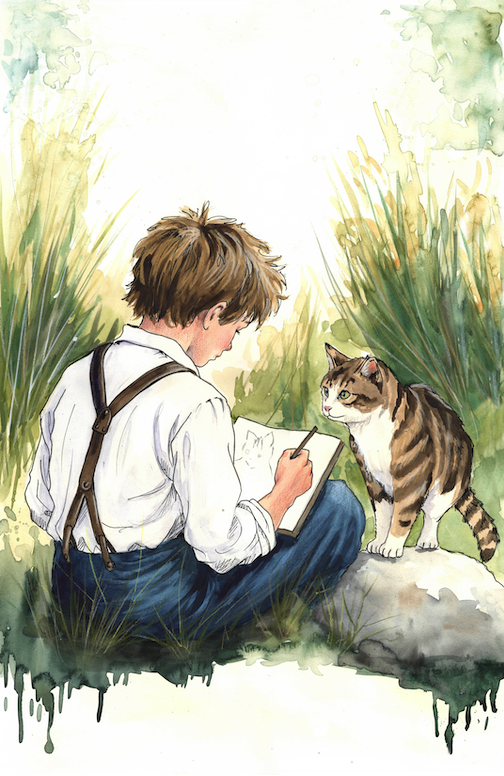
Claudia has finished the cover illustration for the first book. Now, it’s Andrew’s turn to play with fonts and such for the final covers.
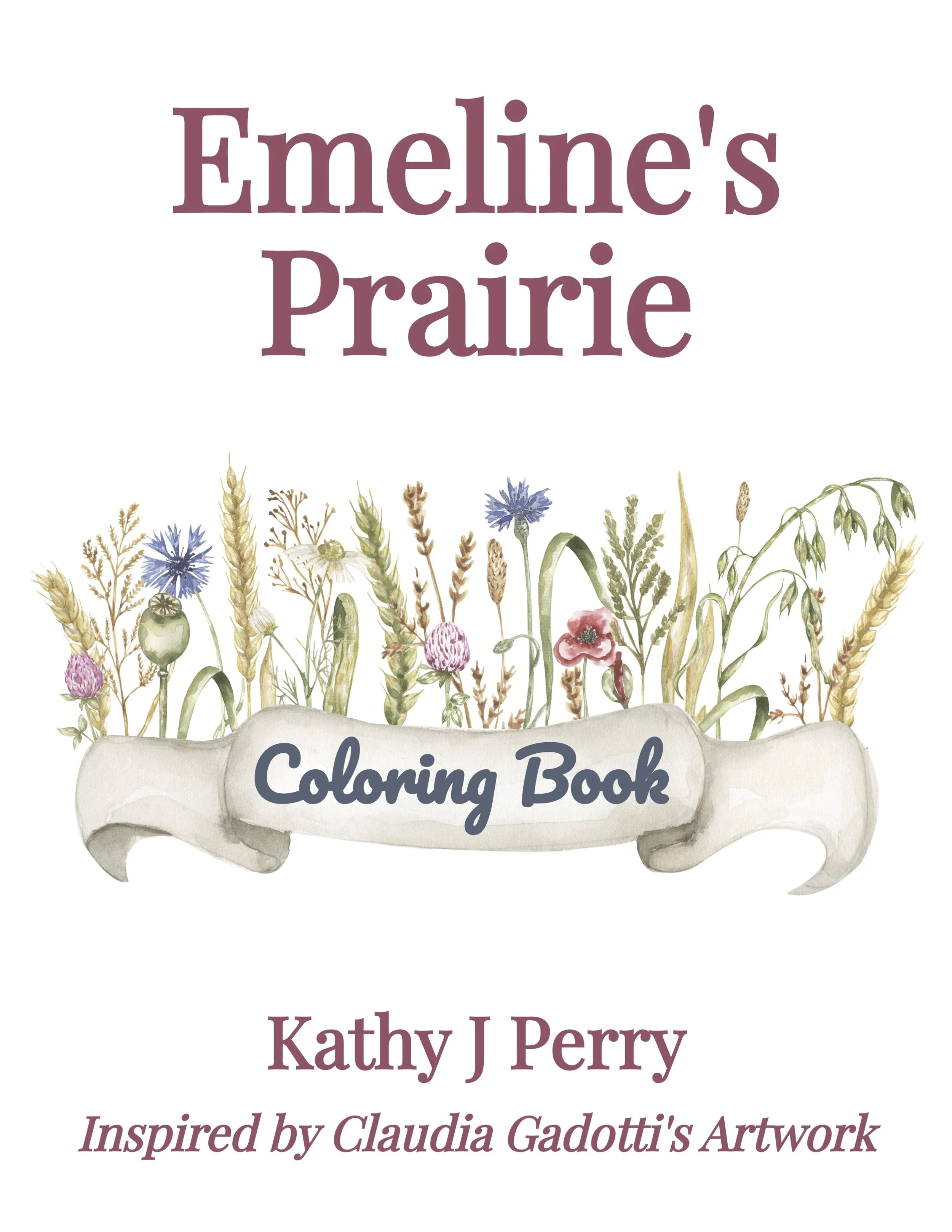
New, Fun Coloring Book
Do you and/or your children like to color?
I made this coloring book from Claudia’s images from all three books in the Emeline series. Each page is silky smooth and decorated with a border to embellish, if you like.
Perfect for colored pencils.
Click to see the video!
Kansas School for the Deaf Visit
Today I’m actually meeting with the three students who gave me valuable feedback for Whispers Across the Prairie. I will thank each of them with their own copy of the finished book plus the new coloring book and some Crayola Twistable Colored Pencils.
Then I will ask them if they would like to help me with Connection. If they do, as I suspect they will, I will give them Part One of the first draft to read.
I’m so grateful to the school’s teachers, administrators, students, and alumni for their assistance.
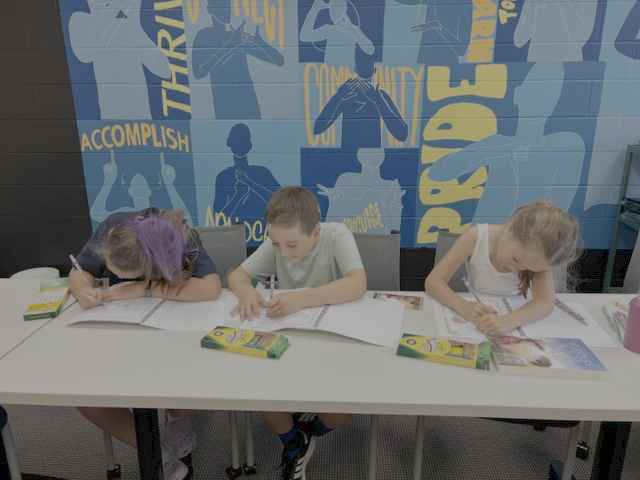
Enjoying coloring!
Garden Update
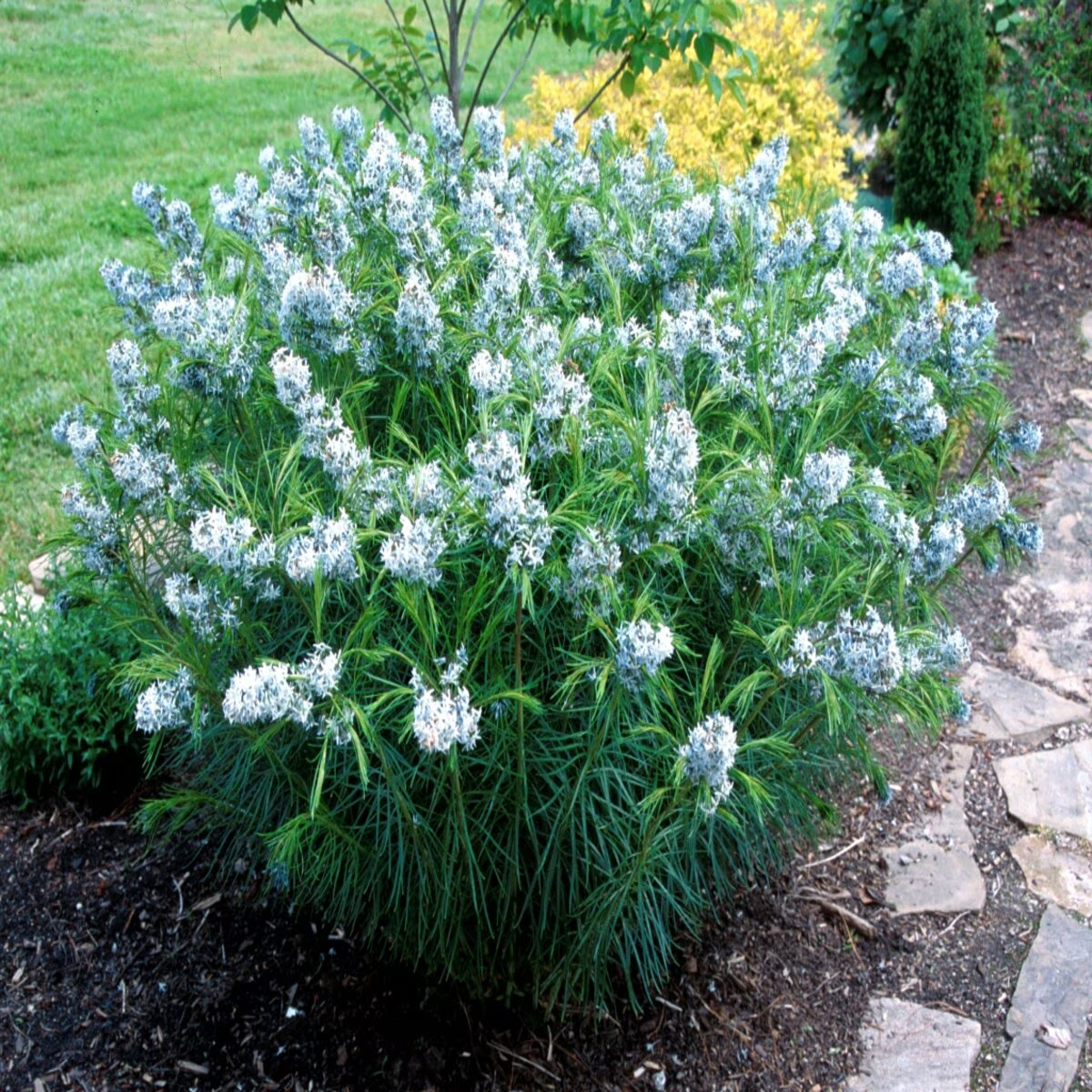
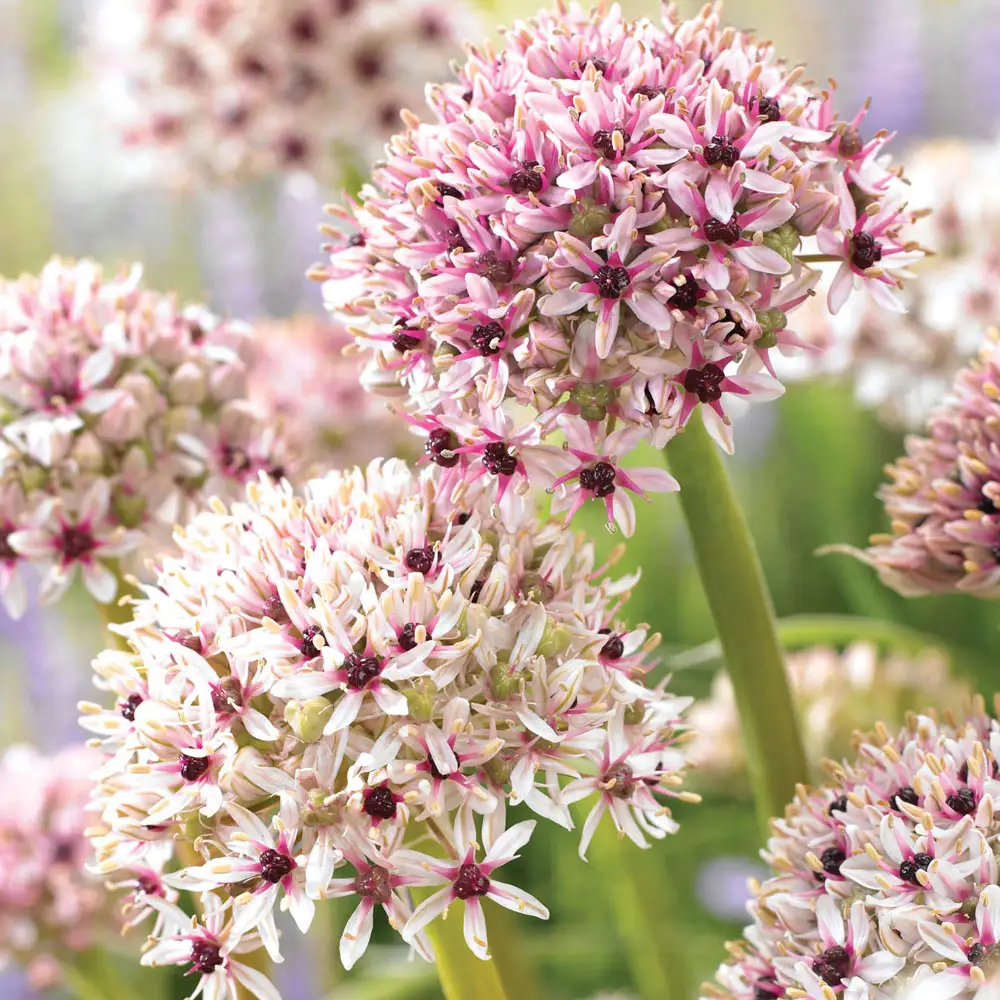
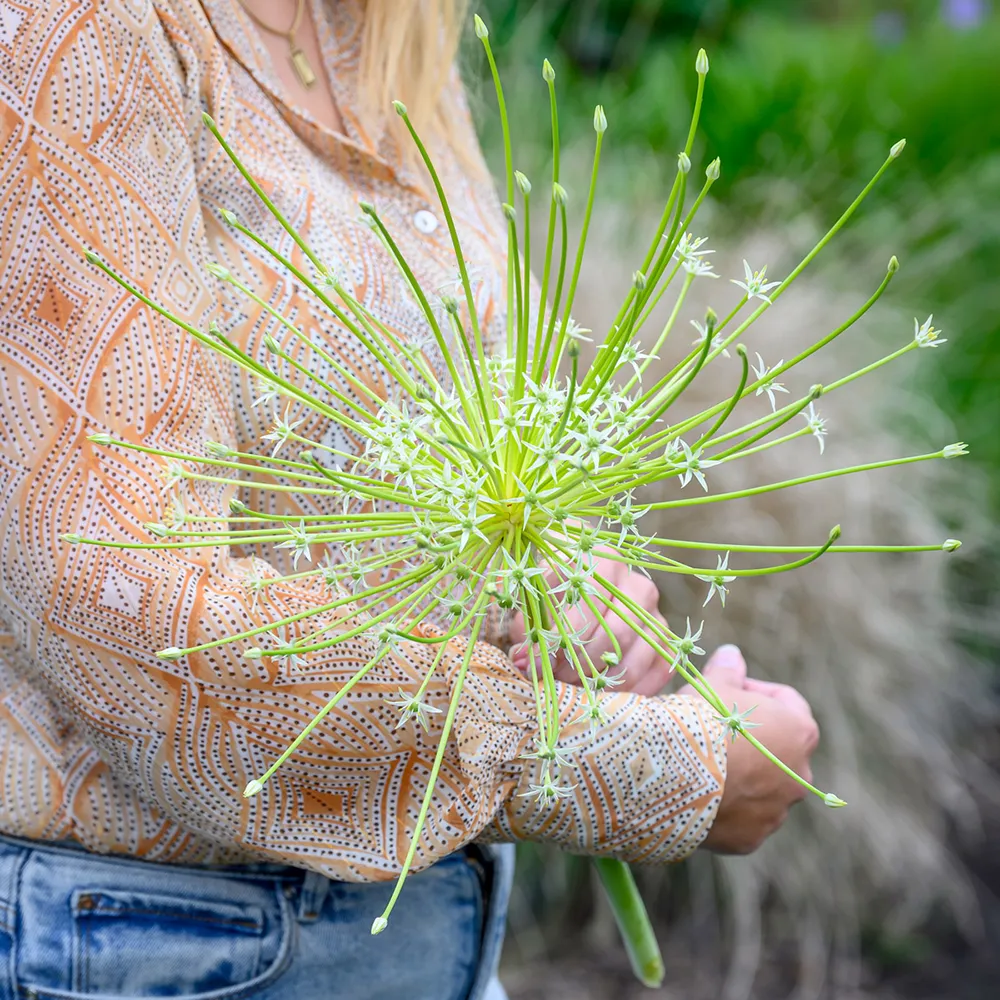
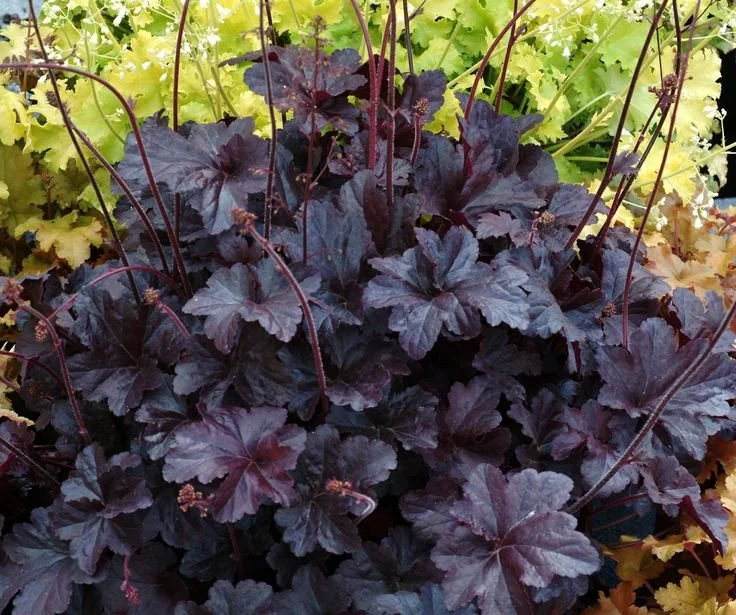
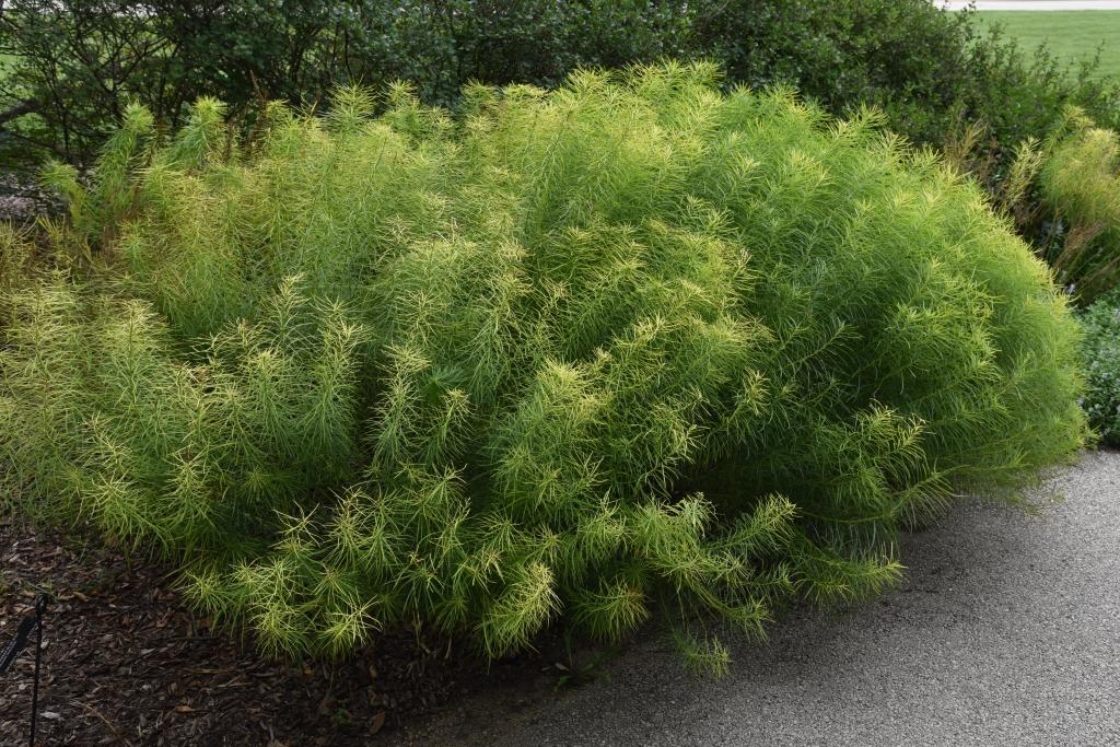
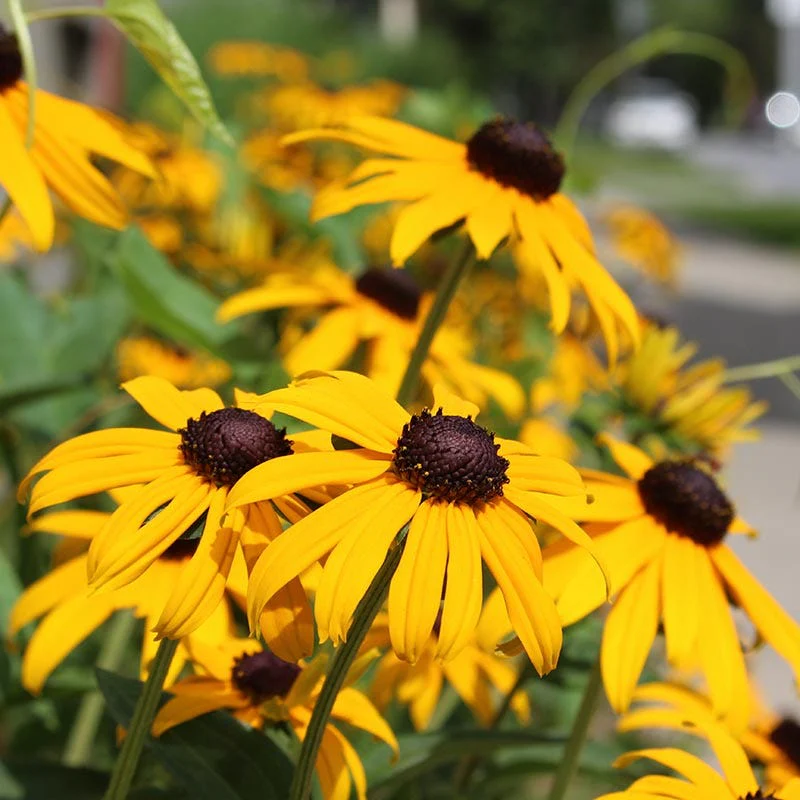
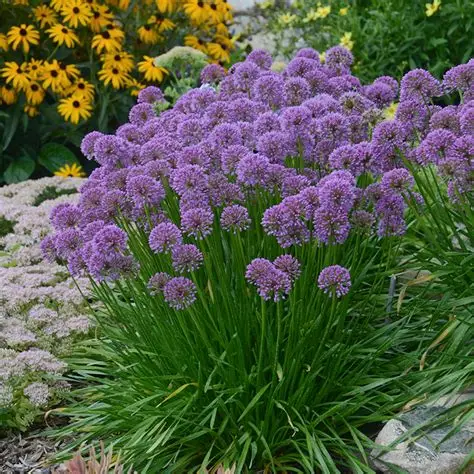
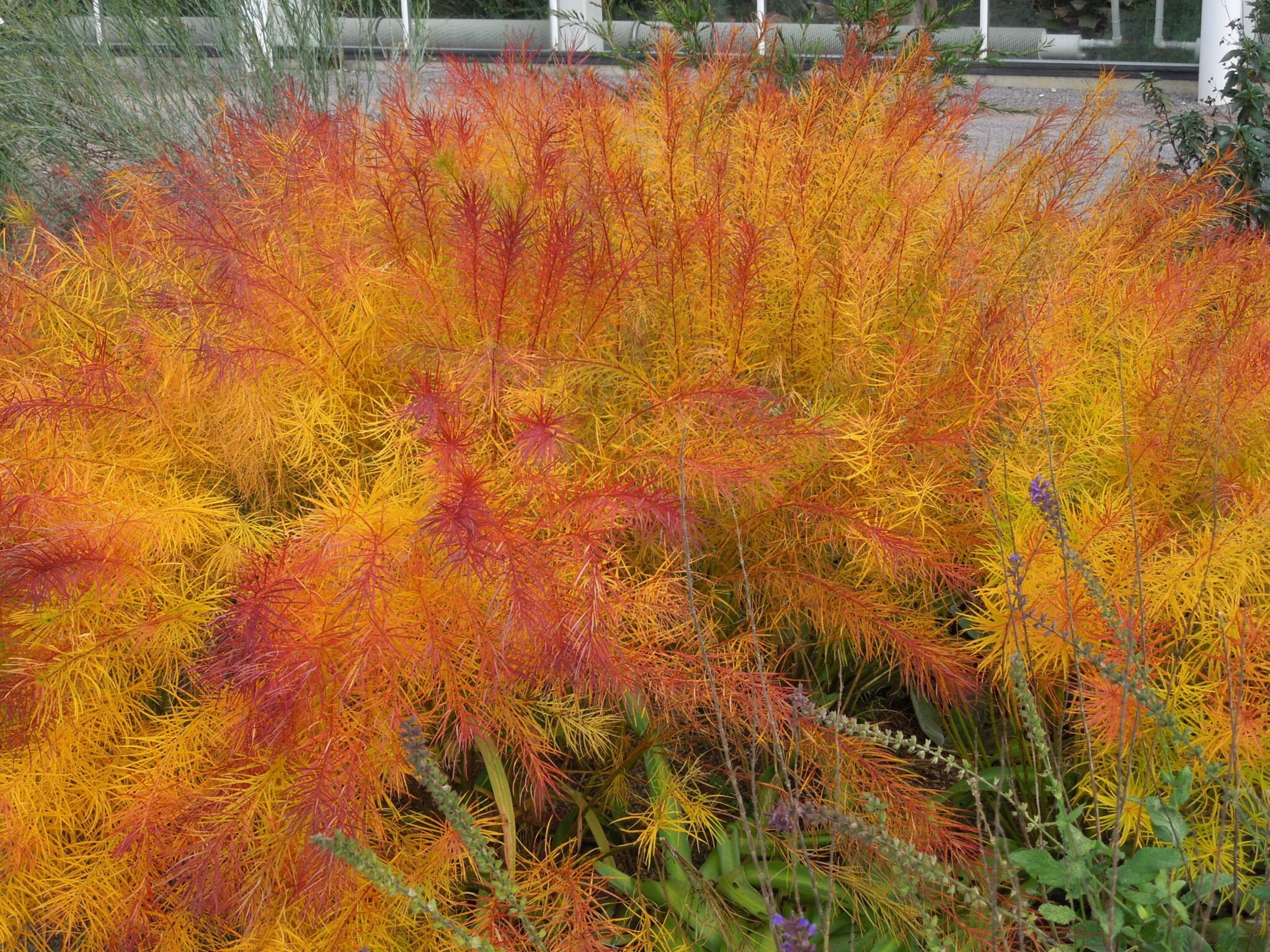
Here are some new additions to the 2026 Perry front garden. With special help, this area will be transformed from mostly Black-eyed Susans and Coreopsis to this.
We retained some of the Black-eyed Susans for their brilliance in late summer, but moved most of them to an area in the back yard where they can spread as much as they like.
It was the last year for the Coreopsis. The Day lilies that were there, but rarely appreciated, were moved as well.
We planted small nursery plants or bulbs and the garden looks sparse now, but will fill out nicely in future years. I’m excited to live through the seasons as it changes.
September Giveaway Winner
Congratulations to vierths! Your email address was randomly chosen to receive this month’s giveaway. I’ll send you a personal email today.
Thank you for subscribing. I hope you continue to read and enjoy my content.
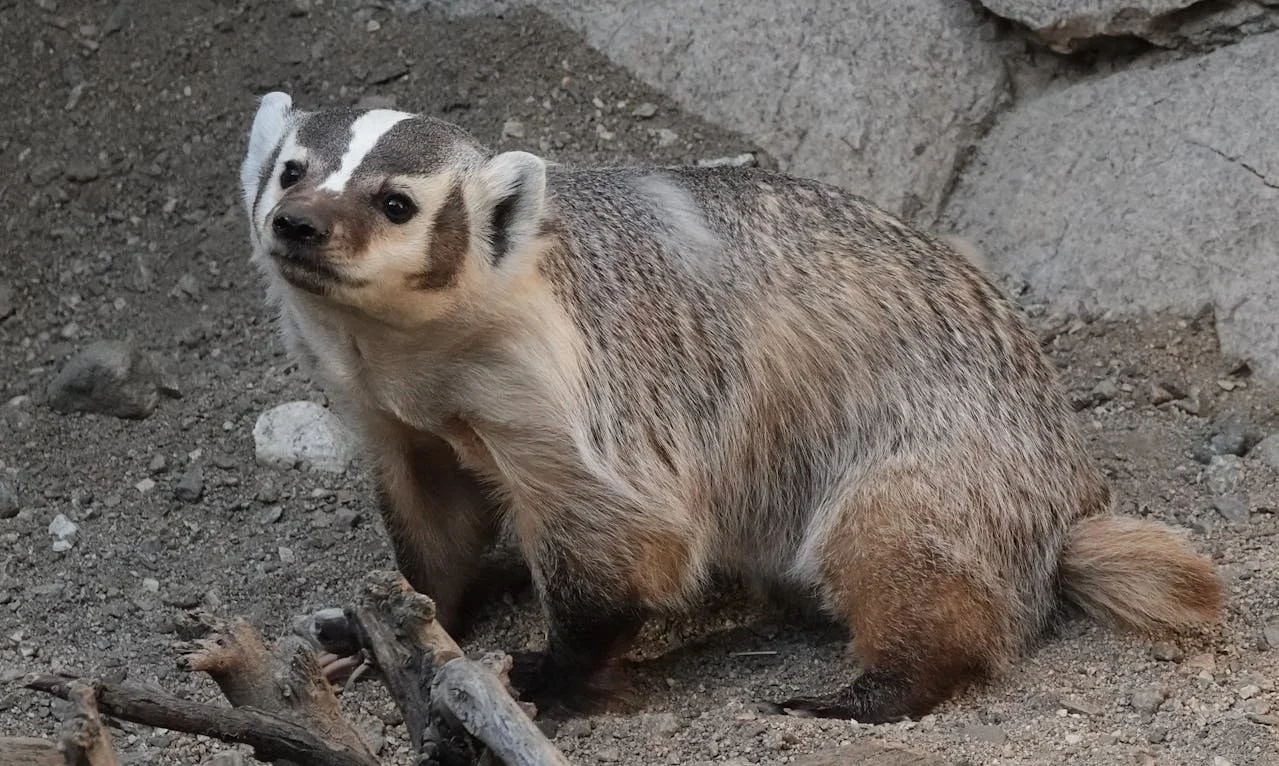
Creature Feature: The American Badger
Talk about a fierce animal! If you ever see one, please stay back.
Back in the 1800’s miners in Wisconsin dug holes looking for lead ore. In 1957, they officially made it “The Badger State”.
-
They are true carnivores: the don’e even need to drink water because they get all the moisture they need from the meat they eat. Mostly they eat rodents that burrow, like mice, moles, prairie dogs, gophers, ground squirrels, etc.
They are one of the few animals that will hunt rattlesnakes.
Rarely, if food is scarce, they will eat corn and sunflower seeds.
Badgers have few predators. Bold and tenacious, they rarely back down from a threat. They defend themselves with powerful jaws, steel-sharp claws, and an astonishing ability to dig. Their young, however, are more vulnerable to attack.
If their hissing and snarling doesn’t scare you off, you’d be repelled by their strong musk odor.
To escape a predator—or squeeze through a tight tunnel—a badger can make its fur lie flat in any direction, allowing it to move forward or backward with ease.
-
Its front paws have five toes, each with a curved claw, which is as strong as steel. The can tunnel so fast that they can move yards of dirt in just a few minutes.
They’ve been known to come out of holes in blacktop pavement and even 2” thick concrete.
When digging, their eyes are protected by a transparent membrane to keep the dirt out.
Their homes are underground burrows with elaborate tunnels that can be up to 8 foot deep and 30 feet long that lead to a main sleeping chamber. This main chamber can be 6’ wide and is elevated to avoid flooding.
They have a smaller chamber for a bathroom and several den entrances for easy access.
-
They’re called nocturnal, but really are most active at twilight and area often seen out and about during the daytime. So crepuscular is more accurate.
In winter, they go into a state of torpor in their dens, sometimes for 29 hours, but that’s not the same as hibernation. During this time, their body temperature falls to about 48 degrees and their hearts beat at about half the average rate. They’ll come out on warmer winter days.
-
Though nearly blind, their sense of hearing and touch are sharp and keen, which enables them to burrow, find, and overcome their prey.
Their sense of smell is second only to the dog’s. They can even find prey through soil and snow.
They’re vocal when they feel threatened. They’ll hiss snarl, squeal, and growl viciously to ward off attackers.
Because badgers are such great diggers and coyotes are fast runners, these two animals will sometimes team up to find prey. The coyote will run down the prey until it escapes into its hole and the badger will dig it out. This symbiotic relationship works so well that sometimes they will even play together when not hunting.
-
Usually, they’re extremely solitary, but they will search for a mate in late summer. Males are called boars. Females are called hogs. But the babies are called cubs.
Cubs are usually born in late winter or early spring and live with their mother until they are 6 months old when they go out on their own permanently.
Badgers can live to be 26 years old in captivity. But in the wild, most don’t make it ten years.tem description