October 2026 Author Update
Work in Progress
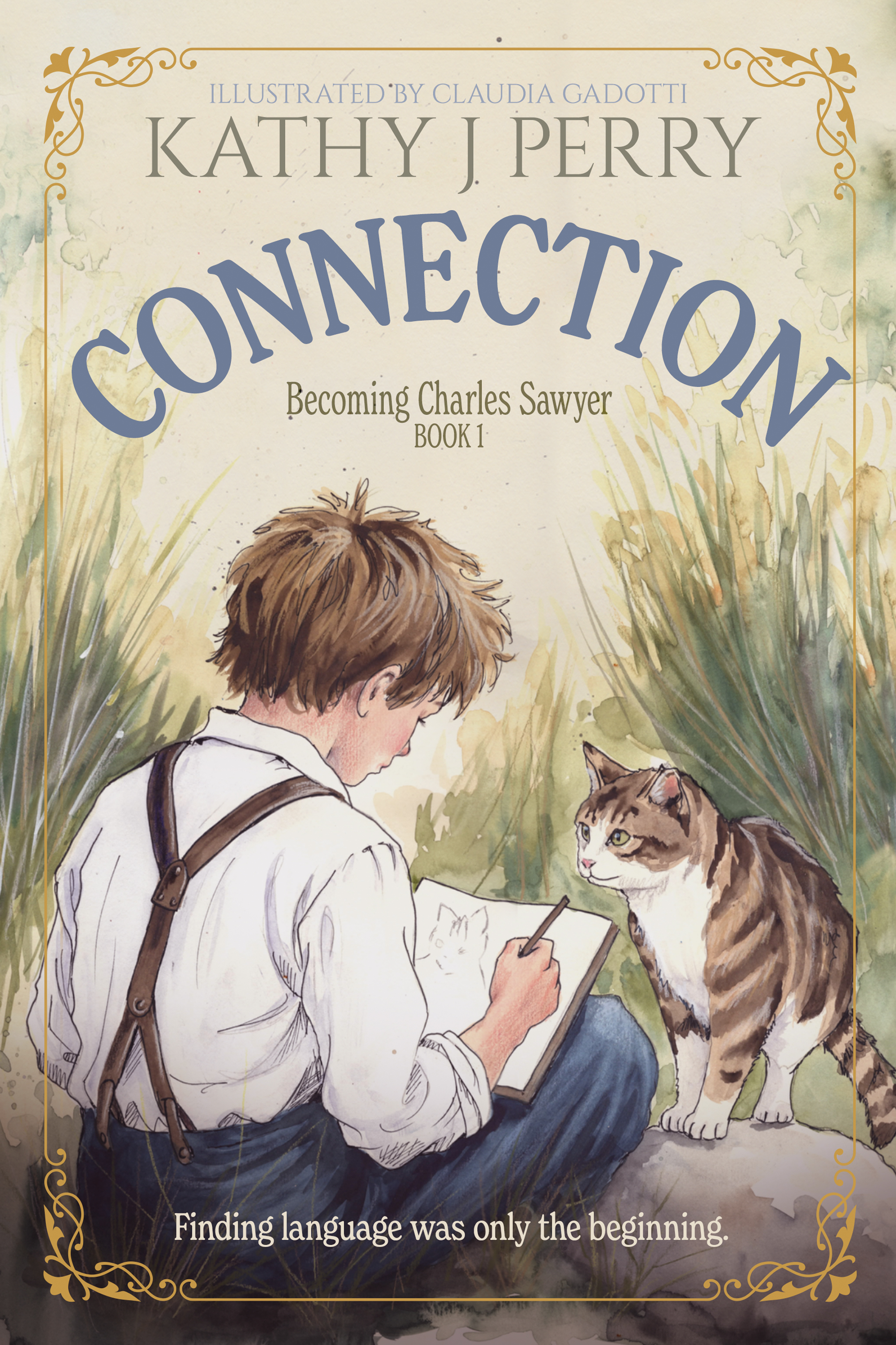
Things are moving along quite well with Connection. I’m writing part three of three now and anticipate delivering to my editor mid-November.
Parts one and two are being read by the beta readers at the Kansas School for the Deaf. I should have their input soon.
The front covers have been illustrated and designed, and are now ready for marketing use to promote these titles in advance. Connection should be available in April 2027. Purpose should be ready the following year.
What do you think?

Kansas Book Festival - 2026
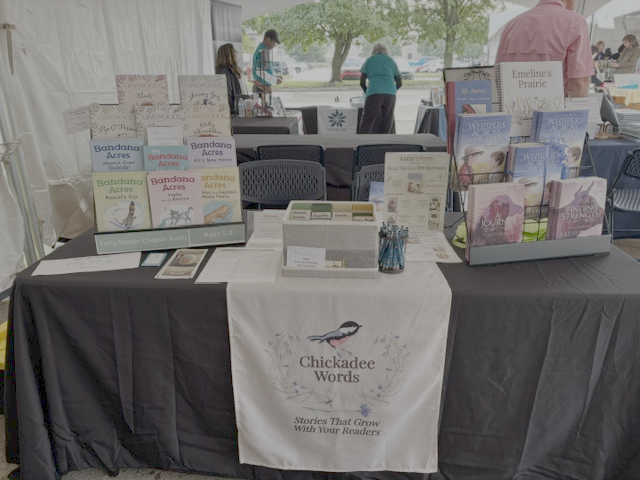
I had the privilege of being invited to this wonderful book event last month. So much fun!
Here’s a photo of my vendor table, before I sold many of them.
Gardening in Autumn
My husband changed my mind about some of the raised beds I had planned. I kept the 42” x 17” round one for the blueberry bush, strawberries, and crocus. But the rest of the plants will be in the ground in the backyard.
This required a field fence with a gate to keep Maggie out. It’s not quite ready, but it will be soon. It will hold a lovely perennial flower garden plus plots for peas, green beans, garlic, scalloped ‘patty pan’ summer squash, and a thornless blackberry plant. Possibly, I’ll add one Big Boy tomato plant, if there’s room.
I can’t wait to show you photos next year.
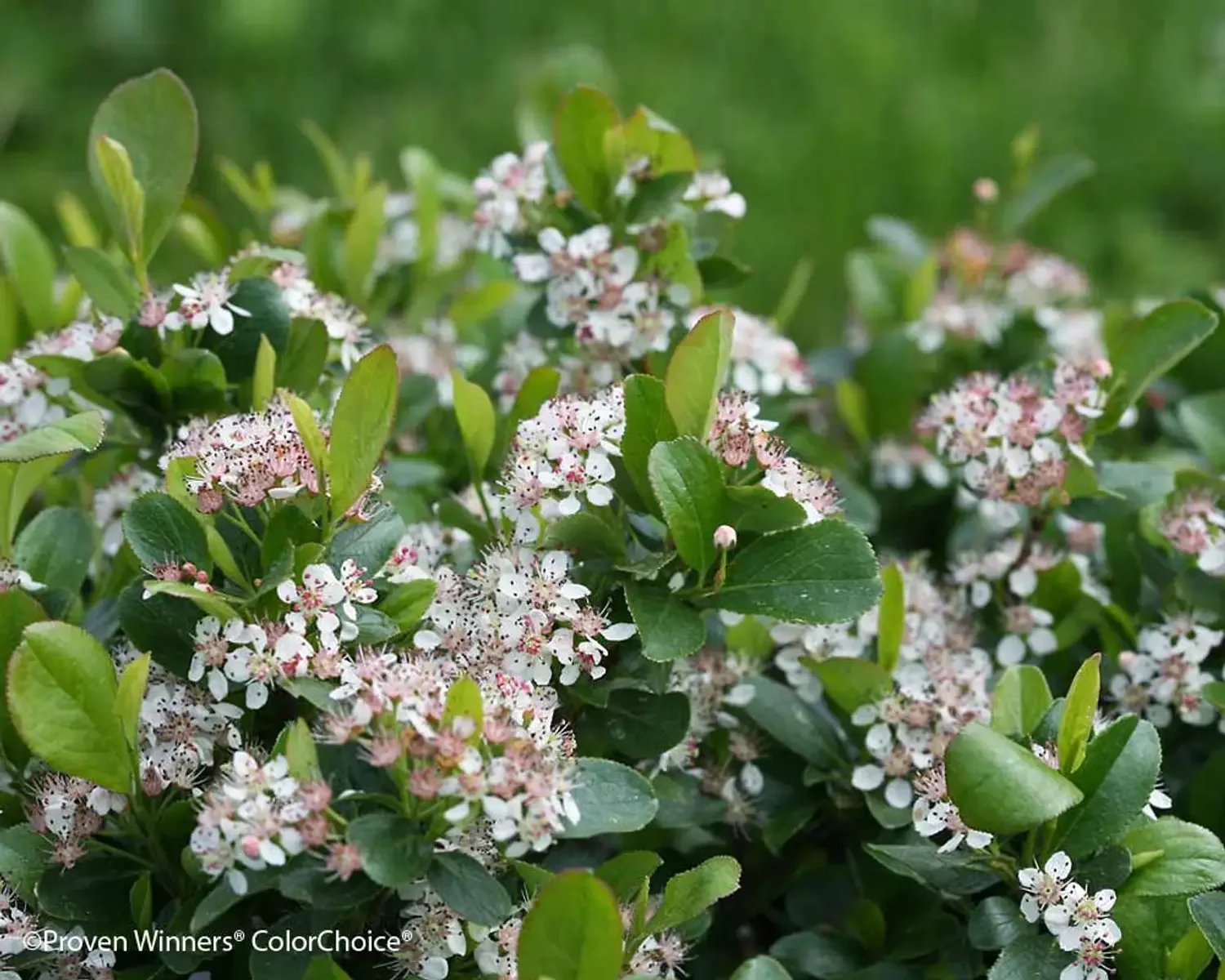
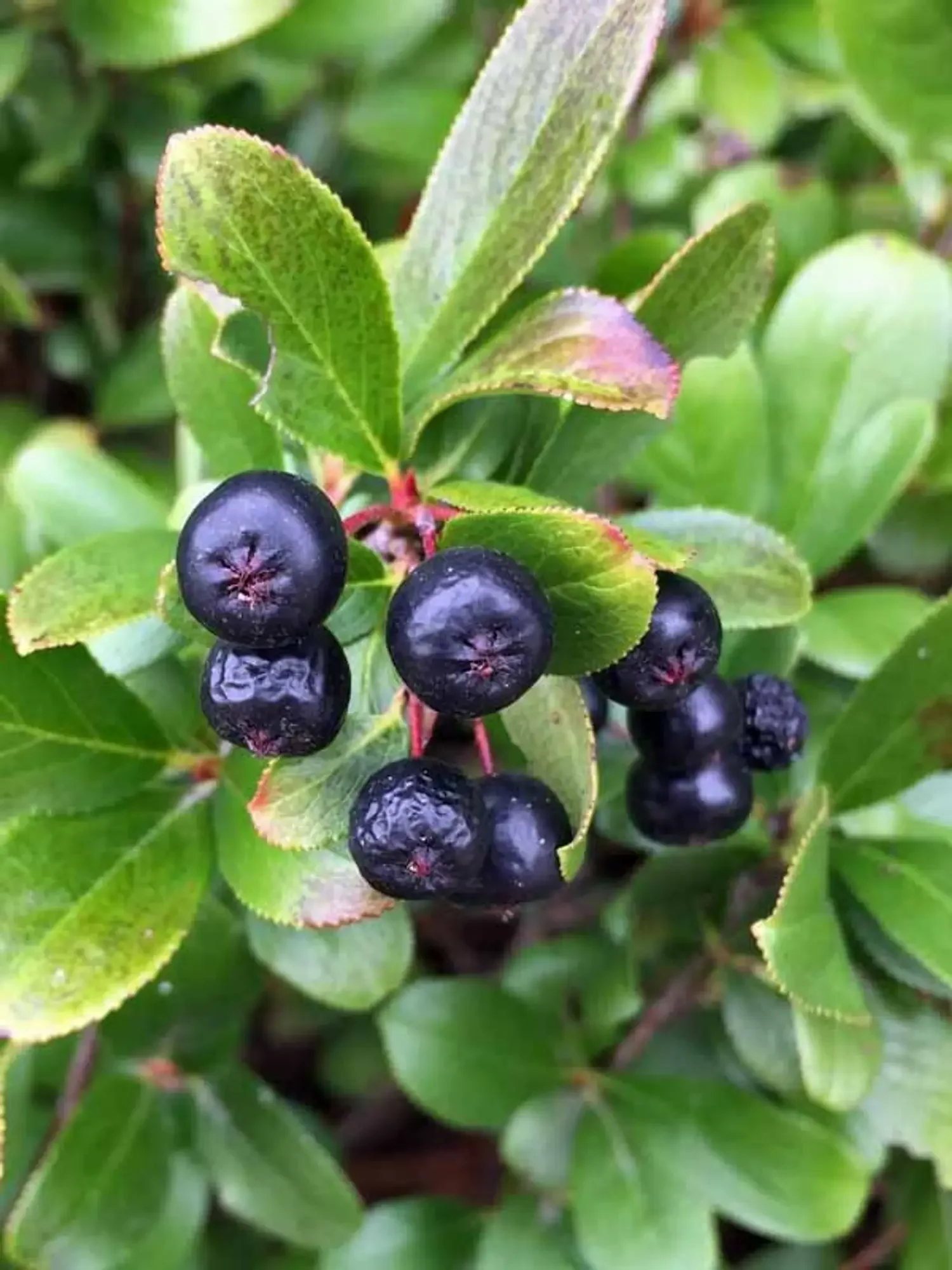
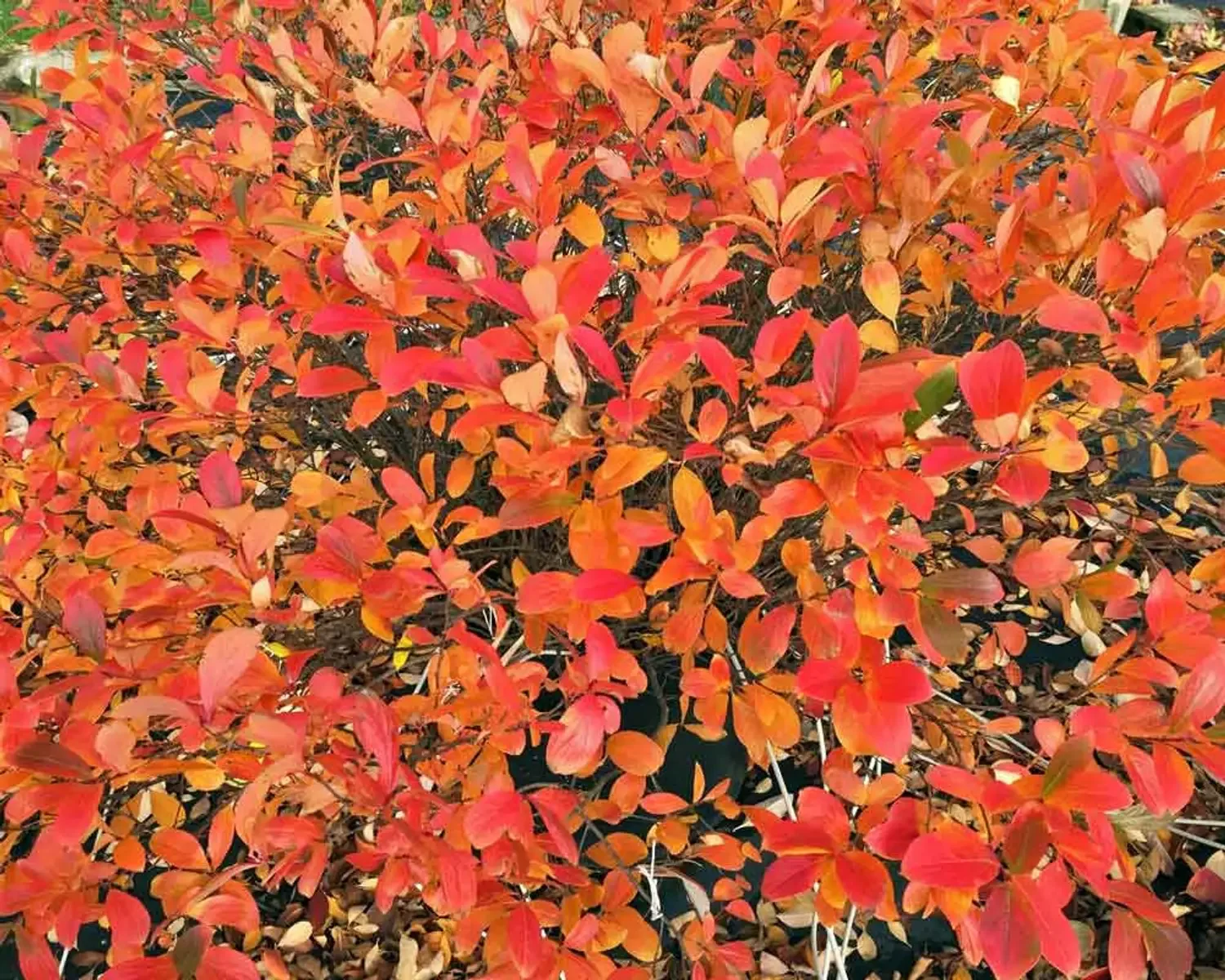
We also planted tulips, hellebores, and an aronia shrub.
The aronia is next to our mailbox. It has a beautiful seasonal progression: white flowers in spring, berries in late summer, then turns red/orange in autumn. The mailman will enjoy that. (Right, Bill?)






The Great Closet Court
Another thing I’m doing is cleaning out my closet. I have so many clothes that I don’t like to wear and have decided to upgrade my wardrobe from primarily T-shirts. This has been fun and it feels good to have a smaller, more complementary wardrobe with key elements that combine for several great looks.
Chickadee Cheer Giveaway Winner
Congratulations to someone with the letter “J” at the beginning of their email address. Your email was randomly chosen to win a softcover book of your choice. Please respond to the email I’ll send you.
Thanks for reading my blogs!
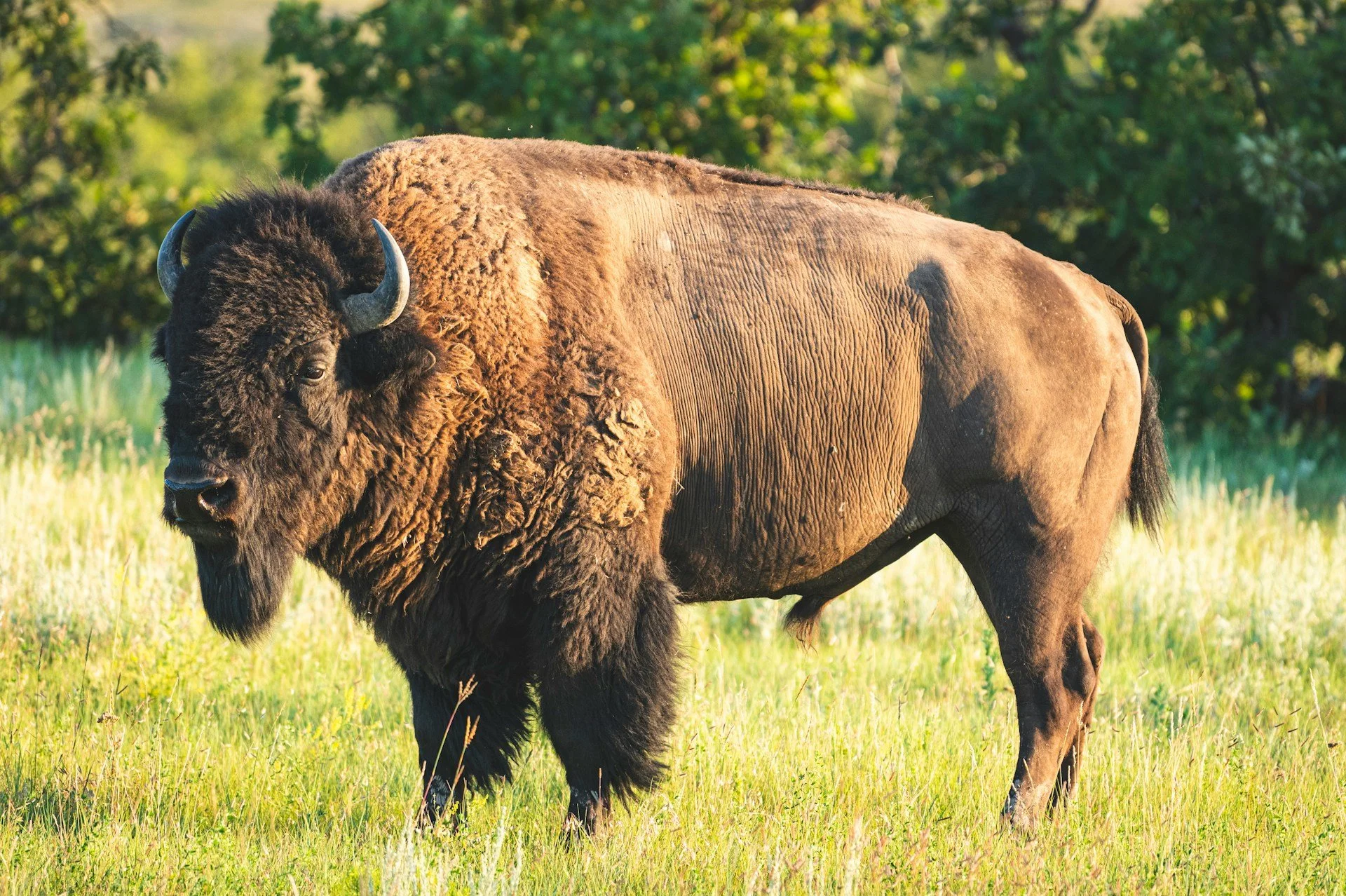
Creature Feature: The Bison
-
Male bison (bulls) can weigh up to 2000 pounds and stand 6 feet tall.
Female bison (cows) can weight up to 1000 pounds and stand 4-5 feet tall.
From head to rump, their length can be from 7 to 11 1/2 feet, not counting their tail.
-
Because of their massive size, they have no natural predators and have a lifespan of up to 30 years.
They love to wander and often migrate up to 70 miles and roam about 1,000 miles annually. Often they leave and return to the same area.
There are two kinds of bison: the smaller ‘plains’ bison whose habitat ranges from Mexico to southern Canada. The other is the larger ‘woodland’ bison whose range extends from southern Canada up through northern Canada and Alaska.
-
Baby bison (calves) are called ‘red dogs’ because of their red/orange coloring. They’re about 50 pounds at birth.
At 6 months, they are 500 pounds, start weaning, and begin to look like the chestnut brown bison (aka buffalo). Their curved horns shoulder hump begin to grow.
By five years, they are full-sized with a large thick skull, a long beard, and a mane.
They probably have brothers or sisters since ‘mom’ has a calf every year.
-
When you first see one, you might think they’re calm and tame, like cattle. Think again.
They are incredibly agile for their size
They can run as fast as 35 miles per hour and for as long as 30 minutes.
They’re stronger and more aggressive than ordinary bulls in combat.
They can jump as fast as they run and easily clear a 6-foot hurdle.
They can spin around quickly to face anyone head on - sharp horns first.
They are also excellent swimmers.
How do you avoid this easily angered animal?
Though they are smart, curious, and playful, they can’t see well at all. They’re nearsighted. They use their senses of smell and hearing mostly.
Tails up, heads down. Watch the tail. Hanging down means relaxed. Standing on end means RUN! You’re in the charging zone.
Listen closely. If you hear low grunts, coughs, or snorts, they’re warning you to back off.
-
They can live in temperatures as low as -40 degrees before they get cold.
They have a thick undercoat that traps body heat and an outer coat that is so thick and waterproof that it insulates them. In fact, you might see bison covered in snow that will not even melt!
Their huge shoulder hump of bone and muscle gives them the strength to swing their large head from side to side, cleaning snow as deep at 4 feet and creating foraging patches, which also helps plants grow.
In summer, the thick, dark outer coat sheds. That’s when you might see them wallowing in mud to evade biting flies and to keep from sweating.