Writing Connection
The draft is with Erin Dionne, my editor, and I’m hoping to have it back and revised to turn in to Rebecca for interior design before their Christmas break.
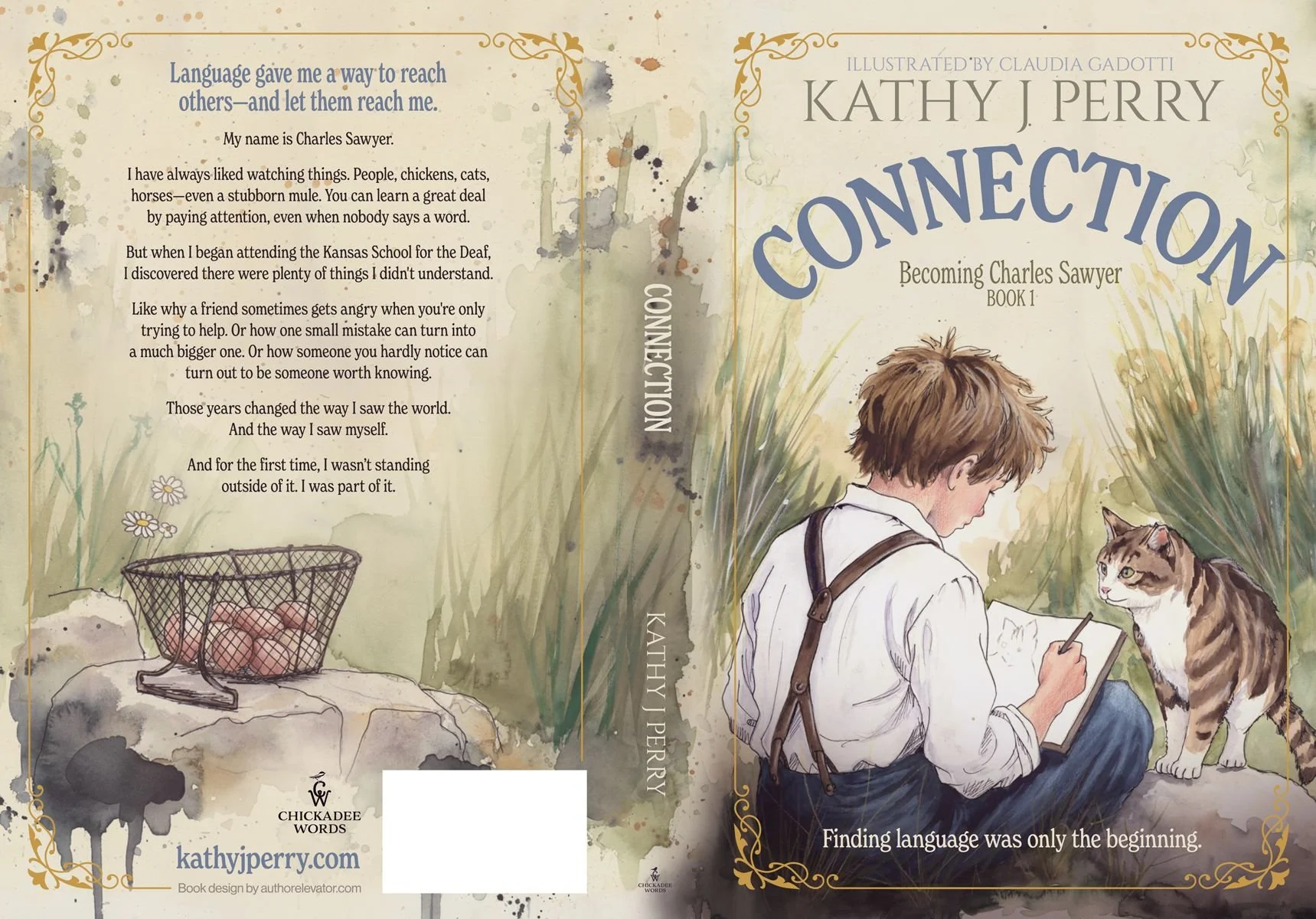
What I can share with you now is the final full cover—except for the bar code and final spine width.
Gardening
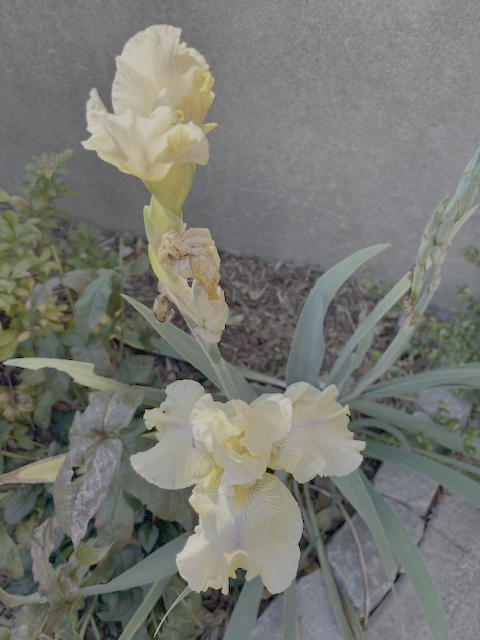
Everything is planted. Plants are thriving, bulbs, rhizomes, and garlic cloves are settling in. Flowers are still blooming—in November!
My yellow re-blooming iris, Again and Again, the pansies and ornamental sweet potato vine, Cheyenne Spirit and purple coneflowers, Sunset Hyssops, and Blue By You Salvia.
The bees and butterflies enjoy them all, as do I.
Other Activities
The Great Closet Reckoning. Out with the very old, in with the new. Feels good to have thoughtful pieces that can be combined in different ways. I look forward to getting dressed now. Plus I have lots more space!
The Great House Refresh. New/old furniture, lamps, paint, and more. Re-organizing, re-arranging. A work in progress. It takes time.
Part-time job. Still busy and doing well. Plus, we’re getting ready for end-of-year things.
Thankful
We still look forward to Thanksgiving—the holiday wedged between Halloween and Christmas. We’re thankful for time off work, for meeting with extended family members, for enjoying mass quantities of delicious food. For football games. For naps. Sometimes, for good weather.
But try to give thanks every day, for everything.
For myself, I’m always thankful for God—for what He’s done and for what He will do. I’m reminded of his gifts whenever I look at the natural world, my home, my family, and my friends.
November Chickadee Cheer Winner
Congratulations to Lisa. Your email was randomly chosen to win the giveaway this month. Please respond to the personal email I’ll send. You may choose a softcover book from my shop.
Thanks for reading and sharing my little blog. Enjoy!
Creature Feature: The Elk
-
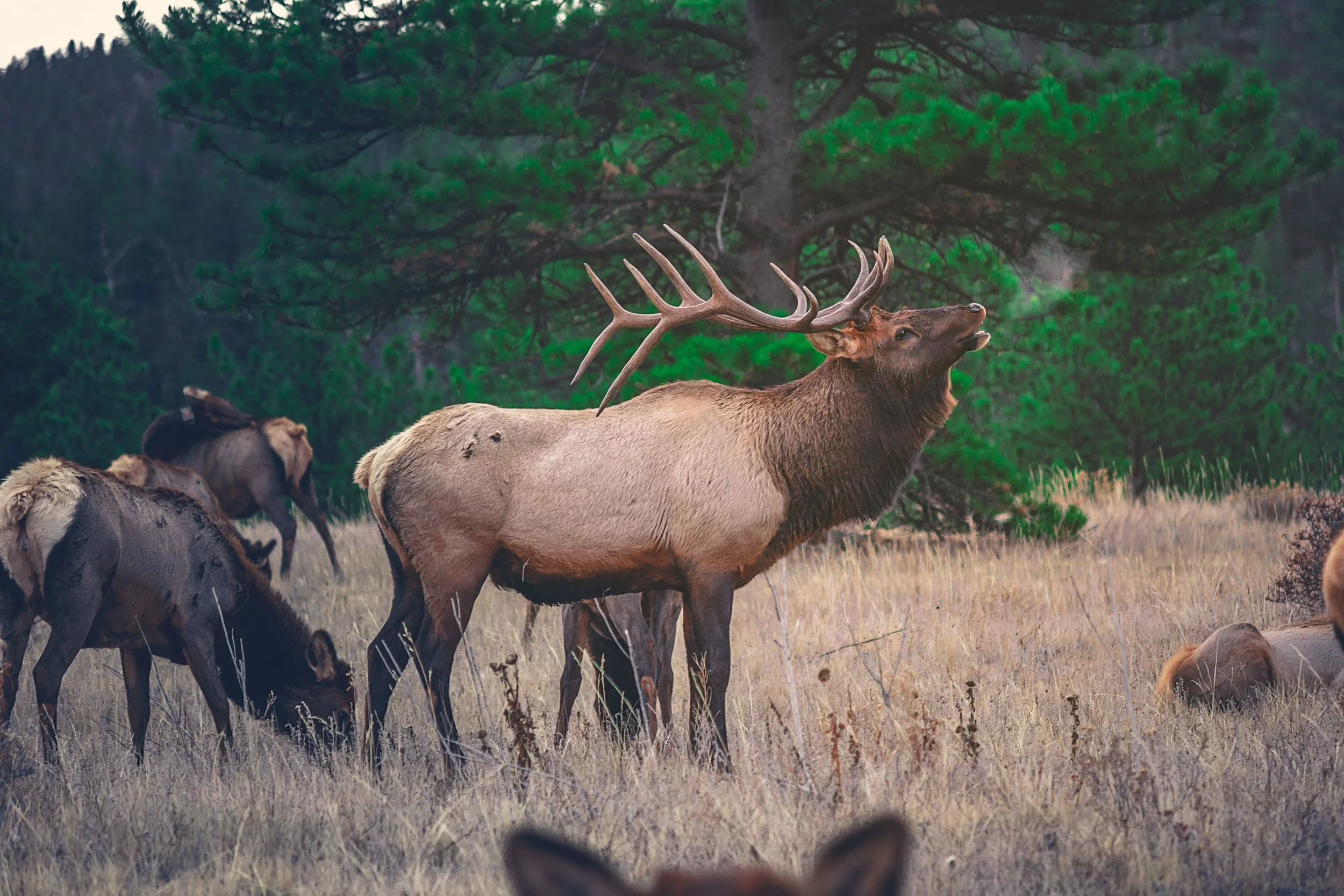
When you travel to the Northwest of America, you’ll see elk gathering in large herds in open woodlands.
Males are called bulls. Females are called cows.
Males can grow to 4’9” tall and weigh over 730 pounds - not including their 4’ wide antlers which can weigh another 40 pounds.
They are not just herbivores, like cattle, but omnivores. They’ll eat eggs of small birds and sometimes they eat bones and antlers.
But, like cattle, they are ruminants and have a stomach with four different chambers. They spend their days grazing, consuming twenty pounds of plants matter. Then Elk will sit, rest, and chew the cud to aid digestion.
To keep warm, they grow a thick winter coat with guard hairs, a short undercoat, and a thick neck mane. This coat is shed when the warmth of spring returns.
-
Did you know elk can outrun a horse at 45 miles per hour and jump 8 feet in the air?
Their ankles make a distinct cracking pop sound when they walk—which helps other elk know they’re coming.
Bulls will herd a cow by circling her if he feels she’s wandered too far. Females are ALWAYS in the herd, leaving only to give birth.
Elk will curl their lips and hiss when threatened, punch their two-toed hoofs, flare their nostrils when agitated, and freeze wide-eyed when alarmed.
-
Moose and elk are often confused, but are easy to tell apart.
Moose have a long bulbous nose and a bell-like growth under their throat.
The elk’s antlers are pointed and high, which the moose’s are broad and flat.
Moose are more common, but elk are more social and seldom seen alone.
-
Sorry girls, only the males grow those impressive antlers. They’re not made of keratin like horns, but grow from places in their skull called pedicels. Every spring they fall off and begin anew.
And they grow FAST. When testosterone (male hormone) is low and the bull is calm, this soft, spongy new antler is covered with velvet and will grow up to an inch daily!
The size of the antlers will depend on the amount of sunlight the elk gets, as sunlight boosts their testosterone level.
By late summer, when testosterone levels are high, the antlers have calcified into stiff bone, the velvet dries and falls off, and a gorgeous full-pointed rack appears. READY FOR JOUSTING.
The most impressive antlers will be seen on bulls who are 9-12 years old.
Weird fact: If surgically removed and grafted elsewhere on the bull, they will continue to grow. (Who would do that? And why?)
-
Usually, elk are non-threatening, but they are known to be aggressive and attack without warning when protecting their calves.
Cows will leave the herd to give birth.
Calves are earthy brown with white spots (like the fawn of the deer). These spots mimic spots of light as they lie motionless in hiding for the first two weeks of life.
Also, they have no scent at birth.
Predators include bears, cougars, and wolves.
It’s natural that God created the cow elk to be alert and aggressive during calving season.
-
Time to impress. The male elk were designed to use a unique call to help the ladies find him: they BUGLE.
This high-pitched whistle can reach a surprising 3000 hertz, ten times louder than the average child’s scream. It can be heard up to two miles away.
The ability to produce such a loud sound from a small voice box stumped researchers until they found that elk use both their lips and nostrils to roar and whistle.
-
Every bull elk must collect a harem of cows to propagate the species. So here’s the recipe for Impressing the Ladies 101:
Serenade her with an impressive bugle tune.
Shine the antlers to a beautiful sheen. (Rub antlers on a tree.)
Take a bath in your own urine.
If all else fails, joust with your biggest competition. Don’t kill them, just show your strength.