August, 2026 Author Update
Event Planning & Part-Time Job
With some members of our office team out on vacations, I’ve put in extra hours at my part-time job. Although I haven't had much time for writing over the past few weeks, I've been busy with several exciting projects.
I’m delighted to share that I’ve been accepted to the Kansas Book Festival again this year. Yay!
I've recently finished designing and sending these projects off to the printer:
New vendor table runner.
Revised Prairie Companion. (Available as a free download now—see the Home page.)
New Emeline’s Prairie (a 24-page coloring book inspired by Claudia Gadotti’s illustrations in all three books.) This will be spiral-bound and for sale at events and in my shop.
Flyer featuring Whispers Across the Prairie as the beginning of two journeys: Emeline's and Charlie's.
This event will take place on Saturday, September 26. Click HERE to learn more about this fun, family-friendly event. I hope to see many of you there!
That's about all for the publishing news this month. Claudia is busily illustrating the covers for Charlie's next two adventures—Connection and Purpose. Andrew will be designing the final covers, and I'm hoping they'll be finished in time to update my festival flyer before the event.
At the end of this month, I’m excited to meet my young friends at the Kansas School for the Deaf. I'll present each student with a copy of Whispers Across the Prairie as a thank-you for helping me, along with the new coloring book. I wish I could also hand them an advance copy of Connection, but I don't think it'll be ready for beta readers until September.
Gardening Respite
If you live in Kansas City, you know we've been sweltering through some very hot weather lately. The best I can do is keep the newest plants watered each evening—still waiting patiently in their pots for cooler days.
Since my last update, I added decorative stone edging around the semicircle garden between our driveways. I love how naturally it blends with the concrete, and it does a wonderful job of keeping the mulch where it belongs.

August Chickadee Cheer Winner
Congratulations to “Ashbo”, winner of the giveaway this month. Please respond to the email I’ll send with your choice of a free softcover book of your choice.
Thanks for subscribing & reading my newsletters!
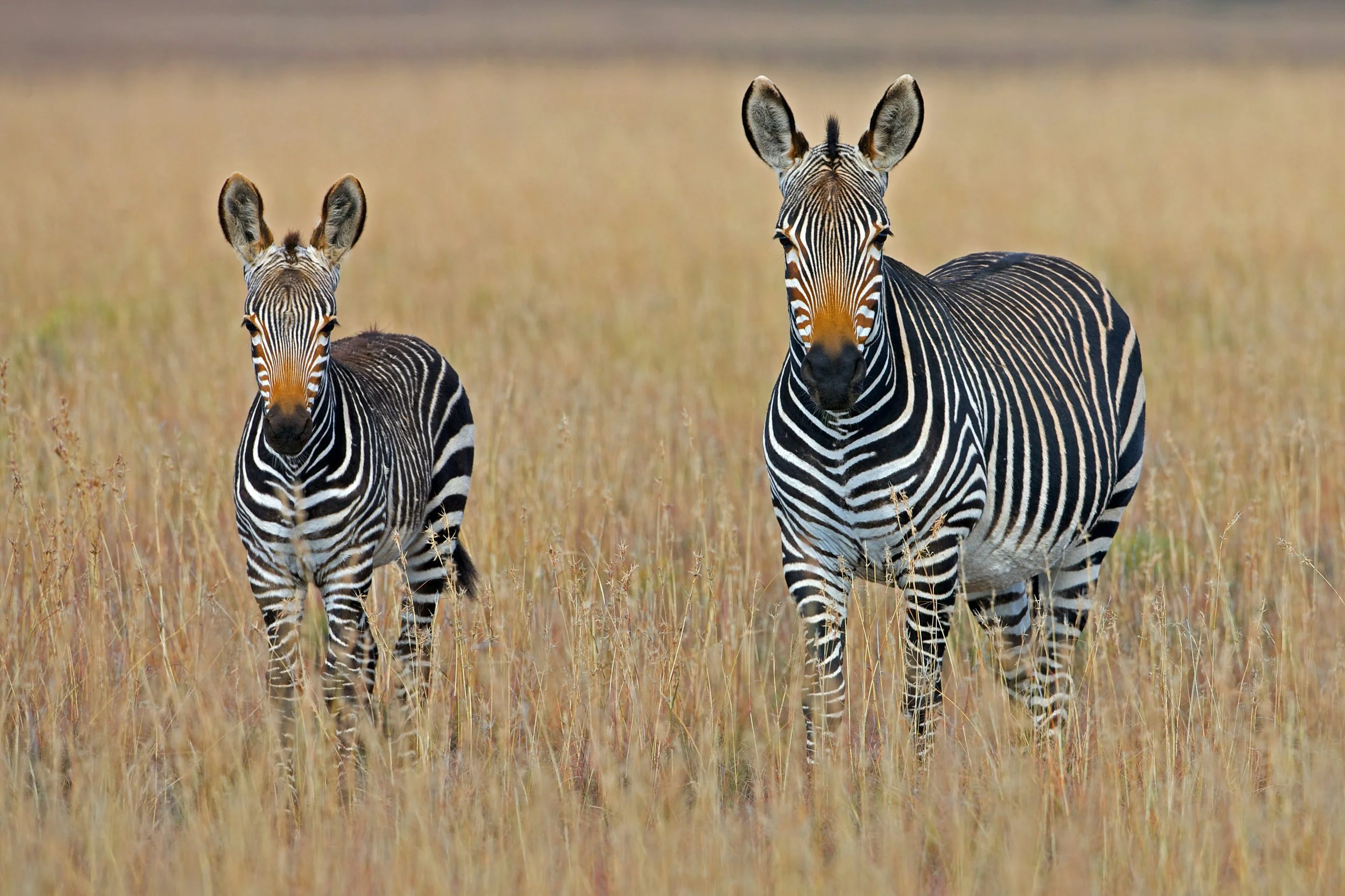
Creature Feature: The Zebra
-
Did you know…?
The stripes help camouflage them collectively, as it is hard to ee where one zebra ends and another begins—especially when they’re on the move. Groups of zebras is called a DAZZLE.
Zebra foals recognize their mama by her stripes. Each zebra’s stripes are unique, just like our fingerprints are.
By special design, the zebra’s coat is really black—with white stripes. Those white stripes help reflect the heat from the hot African sun and help with pest control, and their irritations, too.
-
Zebras are herbivores. Tall grasses comprise 90% of their diet, but they also eat shrubs, leaves, shoots, bark, and herbs.
They’re constantly on the move to find fresh water and grass, along with other grazers and browsers.
With strong leg muscles and stamina, they can travel long distances—up to 500 miles! (This is more than any other African mammal is known to travel.)
-
Zebra’s are born without teeth, but they grow an incisor tooth in the first week of life. Premolars appear in the second week. By 9 months, they have 24 milk teeth. Between 2-5 years old, they have all 40 strong, adult teeth.
Zebras use their sharp front teeth to bite grass and the duller back teeth to crush and grind their food. Because they wear them down by eating so often, their teeth keep growing for their entire lives.
Noteworthy dental fact: Only the male zebras get canine teeth, which they use for nipping to show dominance.
-
Binocular vision. Located on each side of its head, the zebra’s eyes can easily scan the savanna for predators and see with great depth, even at night—when predators are more likely to sneak up on them.
Radar antenna. The zebra’s ears can move in any direction and catch signs of danger. The ears even help communicate body language: laid back—watch out! They’re in defensive mode.
Zebras are excellent communicators.
They’ll use a smile, grimace, wide-open eyes, or bared teeth to get their point across.
They also bark, bray, snort or huff, and stick together in groups. They understand there’s safety in numbers.
And, yes, they definitely have each other’s backs.They’ll even scratch hard-to-reach spots when they groom each other in a herd.
-
Always on the alert, zebras will give a distinctive high-pitched bark when danger is imminent.
If under attack, they’ll run, kick, and bite. Their bites are piercing, but their kicks are deadly, packing almost 2000 PSIs in each blow. That’s enough to flatten a lion and cause serious damage!
They can run up to 40 miles per hour and with great stamina, they can outrun many predators. They can maintain a pace of 30 miles per hour for 12 miles.
Even newborn foals stand within 6 minutes and run within 20 minutes. Wow!
Creature Feature is a new addition to my Author Update each month and is inspired by the books published by Reasons for Hope. The Zebra is from the book called A Pocket Guide to the Zoo: Fascinating Facts, Volume 1: Africa. If you’re interested in learning more about God’s design in animals, please check them out. Next month we’ll travel to North America and meet the American badger!

Black-eyed Susans
I never tire of these long-blooming, bright beauties. There’s always plenty to cut and bring into the house to cheer up the corner of a room.
Photo by Autumn Mott Rodeheaver on Unsplash
As always, thank you for following along on this writing journey. Whether you're here for the books, the gardens, the animals, or all of the above, I'm grateful you're part of this little community.