L.K. Houk
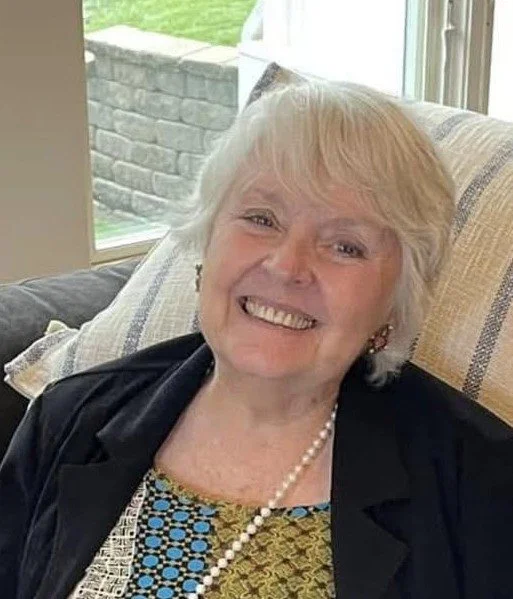
Lura K. (Katy) Houk - 2025
Honoring the Stories of Katy Houk
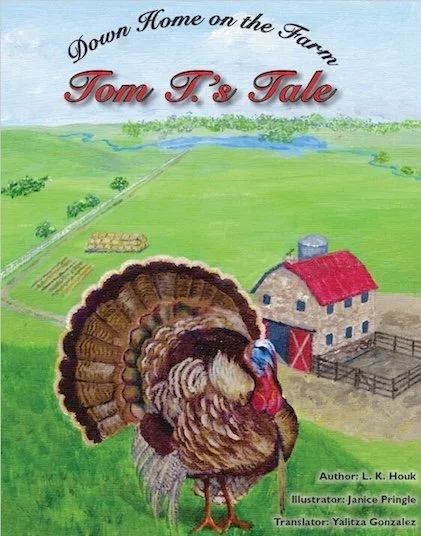
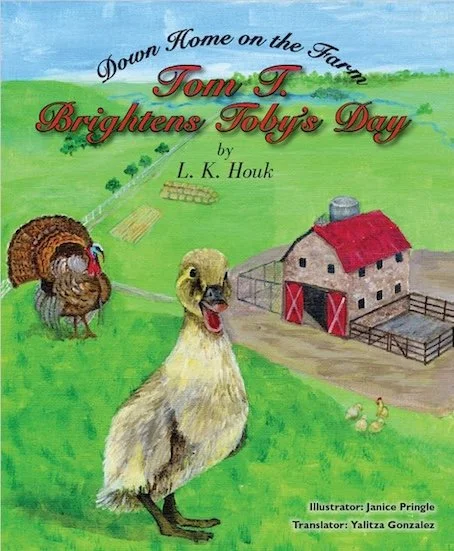
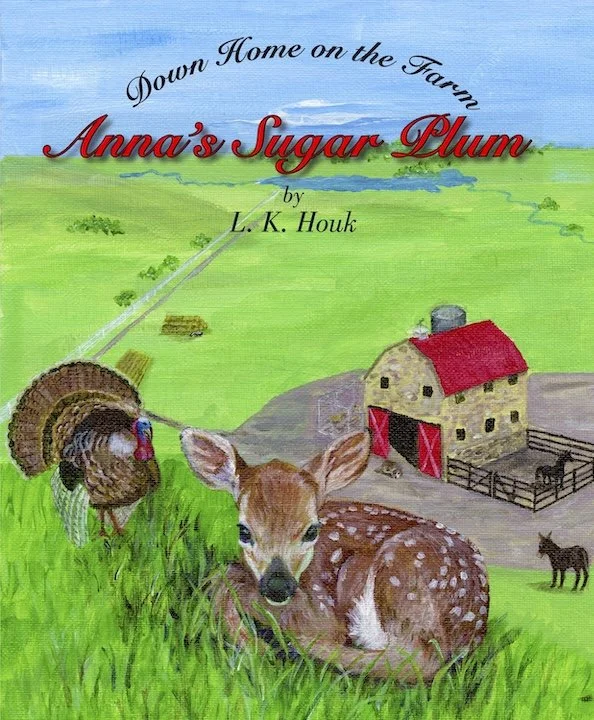
This post will honor the work of my late and dearest friend, Katy Houk. Decades ago, Katy wrote seven children’s stories as told by Tom T., a farm turkey who earned his permanent home on the farm.
These are classic stories reminiscent of Aesops Fables, are brilliantly illustrated with traditional acrylic paintings by Janice Pringle, and include a few comprehension questions at the end. More reading comprehension helps are available on Katy’s website page.
And, they are bi-lingual, translated by Yalitza Gonzales into Spanish. For those learning a second language, the text for each page is in both languages.
Built to last, each is a large (8” x 10”) hardcover, full-color book to be enjoyed by all ages, but especially by elementary school aged children.
Here’s an old video, one of the first I recorded four years ago with Katy before all her books were published.
(No longer available on Amazon. Buy direct through me.)
Down Home on the Farm Series
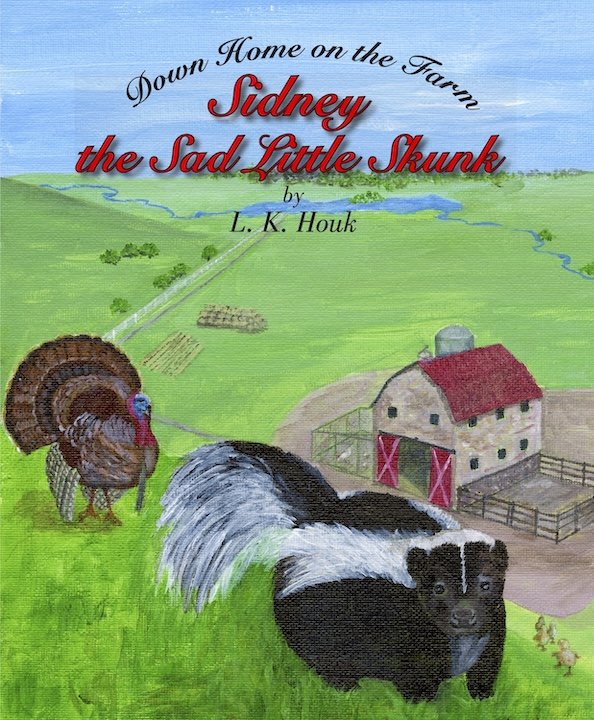
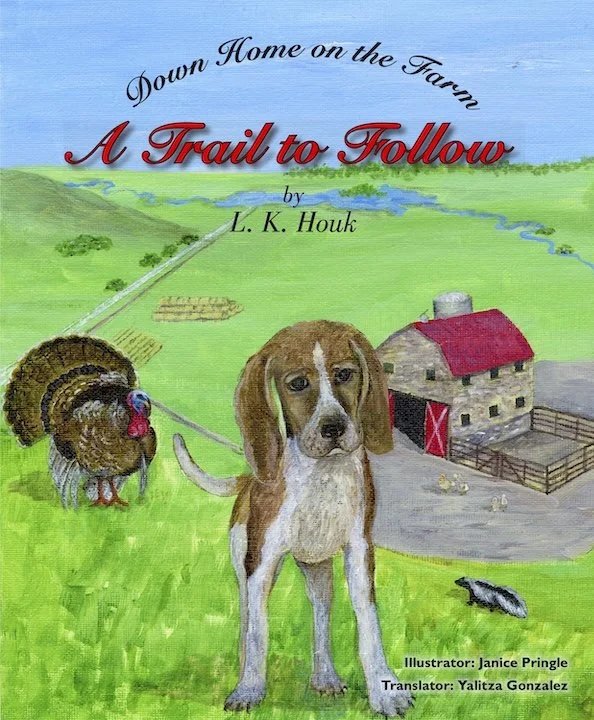
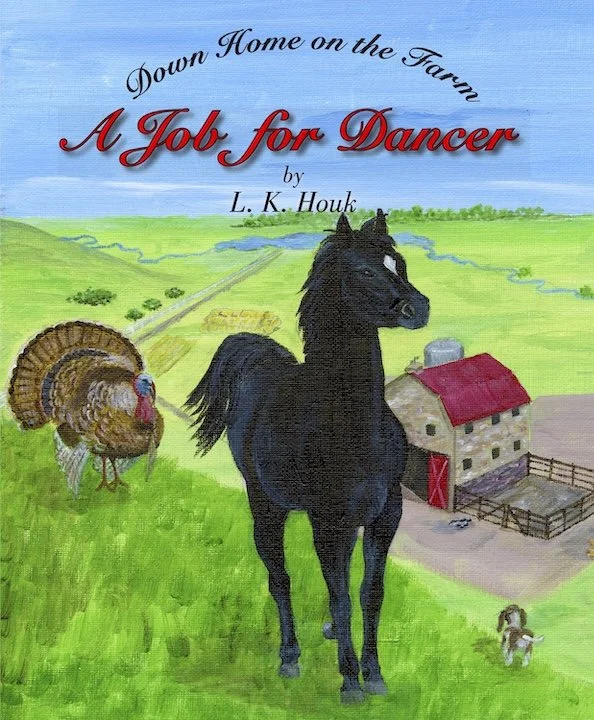
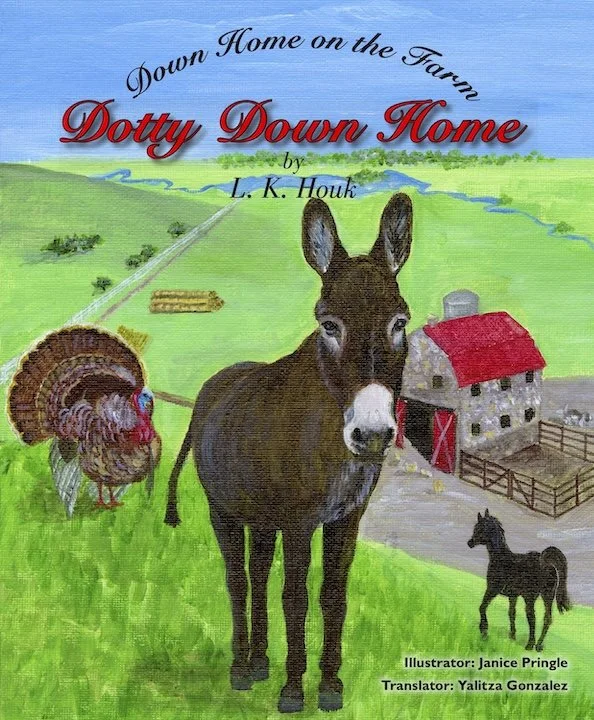
Rest in peace, dear friend.
May your words continue to inspire.
A Moment of Wonder
(New feature to share with your children.)
Not every lesson needs a classroom. Sometimes it begins with noticing.
The Pond That Did Not Freeze Solid
The boy’s breath puffed white in the air as he knelt at the edge of the pond.
Winter had come early that year. Snow crusted the ground, and the trees stood bare and black against the sky. His boots slipped on the ice as he leaned forward, careful not to crack the thin edge beneath his weight.
His father had warned him not to wander too close.
But the boy had seen something move.
He pressed his mittened hands against the ice and squinted.
Below him—far below—something glided through the dark water.
A fish.
Alive.
The boy didn’t know why the pond hadn’t frozen solid. He only knew that it could have.
The cold had been sharp enough to split fence posts and freeze water buckets overnight. The creek nearby had gone stiff and silent. Each morning, his family broke ice from the well before hauling water back to the house.
And yet the pond remained.
Frozen on top. Living underneath.
People who settled near water learned quickly to trust it—or to leave.
If a pond froze all the way through, it could not be depended on. Fish would vanish. Animals would move on. Spring would come too late to undo the damage.
But this pond did not betray them.
Winter after winter, it formed a hard, pale skin on its surface and stopped there.
Because water has a rule that changes everything.
When water freezes, it floats.
Most solids sink when they harden. Ice should do the same. But instead, it rises and spreads, forming a lid across lakes and ponds.
That lid holds the cold at the top.
Below it, water stays liquid. Just warm enough. Fish drift slowly. Plants rest in the mud. Life waits.
Without knowing the science, people depended on this strange kindness of water. They planned farms nearby. They cut ice carefully. They trusted spring to return what winter covered.
They trusted the pond not to turn against them.
If ice sank, winter would reach deeper every year.
Lakes would freeze from the bottom up. Ice would pile upon ice, and spring sunlight would not be enough to melt it away. Waterways would die quietly, one season at a time.
But ice floats.
And because it does, rivers continue to run. Valleys remain alive. People stay where they are.
Water shapes land—but it also shapes the lives built beside it.
The boy shifted back on his heels, the cold seeping through his coat. The fish disappeared into shadow, and the ice creaked softly beneath him.
He stood and ran back toward the house, boots slipping, heart quick.
Behind him, the pond lay still.
Keeping its secret.